




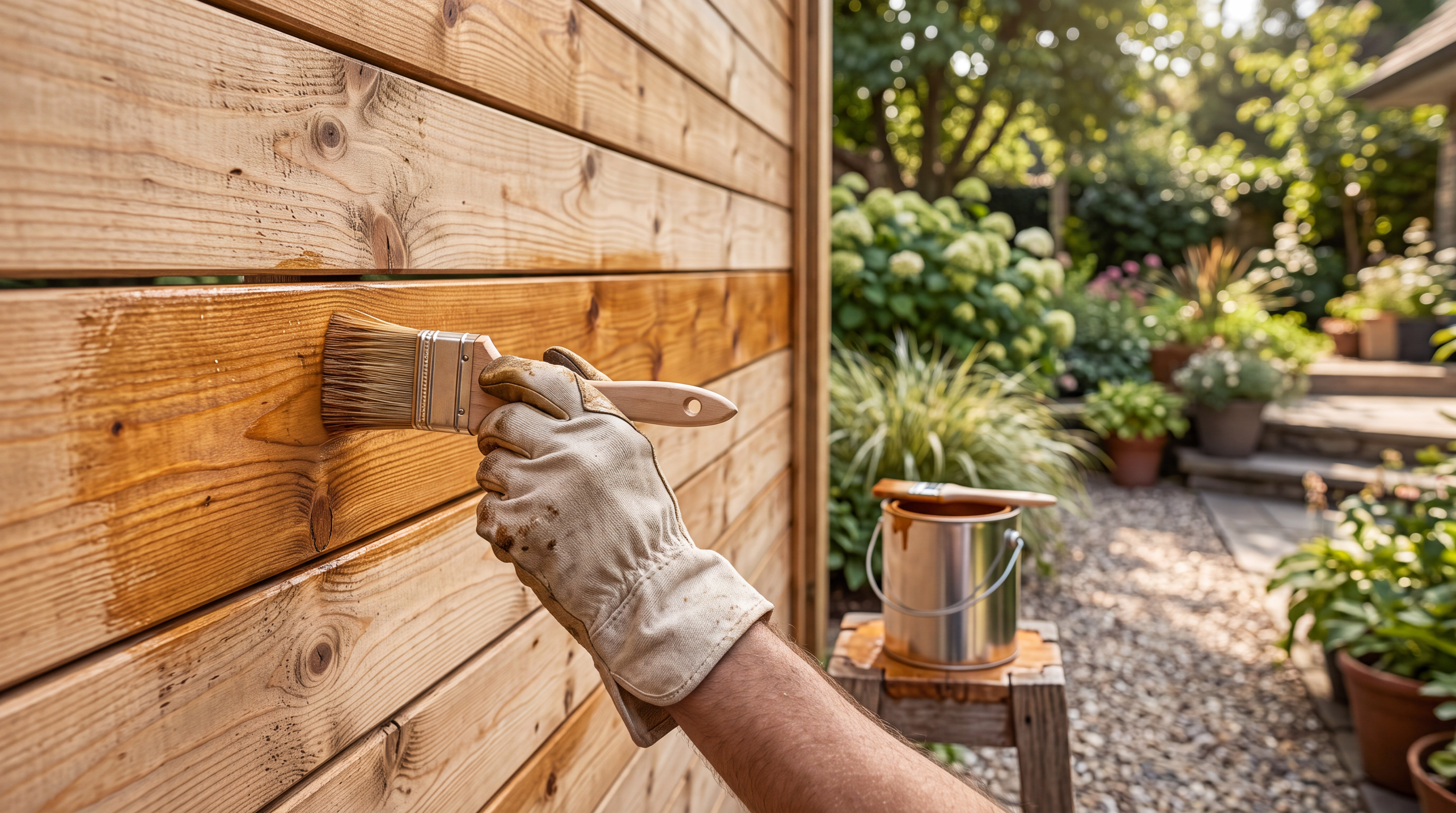
You have probably heard that outdoor wood should be sealed. But what does a wood sealer actually do? How is it different from stain? And when does sealing make sense for your deck, fence, or pergola?
In East Texas, where humidity, heavy rain, and morning dew keep wood damp for long stretches, moisture protection is one of the most important things you can give your outdoor wood. Here is a guide to wood sealing, including what sealer does, where it works best, how often to reapply it, and its limitations.
What Is Wood Sealer?
Wood sealer is a protective finish designed mainly to repel water. It helps keep moisture from soaking deep into the wood. Many sealers are clear or nearly clear, so they preserve the natural look of the wood.
What Wood Sealer Does
Repels Water
The main job of a sealer is to help water bead up and run off instead of soaking into the wood.
Reduces Swelling and Shrinking
When wood absorbs less water, it swells and shrinks less with changes in moisture, which helps reduce cracking, warping, and splitting.
Helps Reduce Moisture Problems
By limiting moisture absorption, sealer can help reduce conditions that lead to mildew and rot.
Preserves the Natural Look
Clear sealers protect the wood without changing its color much, though wood may look slightly richer after application.
Types of Sealers
Sealers generally work in one of two ways:
- Penetrating sealers soak into the wood and protect from within. They tend to wear gradually.
- Surface sealers form more of a coating on top of the wood. They may need more careful maintenance if they begin to wear or peel.
Many modern products combine sealing and staining in one finish, adding color and UV protection along with water repellency.
Sealer vs. Stain
Sealer focuses on repelling water and keeping a natural look.
Stain adds pigment, which provides color and UV protection. Many stains also include water-repellent properties.
Because clear sealers have little or no pigment, they usually offer less protection against sun damage. In East Texas sun, wood with only a clear sealer may still fade and gray over time.
What Can Be Sealed?
- Decks, including boards, railings, and stairs
- Fences and gates
- Pergolas and patio covers
- Built-in benches and planters
- Wood screens and privacy panels
When Sealer Alone Makes Sense
A clear sealer may be a good fit when:
- You love the natural look of the wood
- The wood is in shaded areas with less sun exposure
- You are willing to reapply more often
For wood in full sun, a stain with sealing properties often provides better overall protection.
Don’t Forget End Grain
The cut ends of boards absorb water much faster than the faces. Sealing end grain, especially on posts, rafters, and board ends, helps protect these vulnerable areas.
How Often Should You Reseal?
Clear sealers typically need to be reapplied more often than pigmented stains. The right schedule depends on sun exposure, foot traffic, and the product used. Instead of relying only on the calendar, watch for signs that the sealer is wearing.
Signs It Is Time to Reseal
- Water soaks in instead of beading up
- Wood looks gray or faded
- Surface feels rough
- Mildew appears in damp areas
- Small cracks begin to form
The Water Test
Sprinkle water on the wood. If it beads up, the sealer is still working. If it soaks in within a few minutes, it is time to reseal.
How to Seal Outdoor Wood
- Inspect and repair damaged boards and fasteners.
- Clean the wood to remove dirt, mildew, and old failing finish.
- Let the wood dry completely.
- Choose the right product for your wood and exposure.
- Apply evenly, following the product instructions.
- Allow dry and cure time before use.
Apply sealer in mild, dry weather. In East Texas, spring and fall often offer the best conditions.
Limitations of Wood Sealer
- Limited UV protection with clear products
- More frequent reapplication than many stains
- Cannot fix existing damage like rot or cracks
- Cannot overcome poor drainage or constant moisture exposure
- Works best on clean, dry, properly prepared wood
Supporting Your Sealer
Sealer works best alongside good habits:
- Keep sprinklers off decks and fences.
- Trim plants away from wood.
- Clear leaves and debris.
- Make sure water drains away from posts.
- Add shade with a patio cover or pergola where helpful.
Common Mistakes
- Sealing dirty or damp wood
- Expecting a clear sealer to prevent sun damage
- Forgetting end grain
- Waiting too long to reseal
- Applying heavy coats
Professional Wood Sealing From Rise Decks & Fence
At Rise Decks & Fence, our staining and sealing services include deck staining, wood sealing, deck restoration, and outdoor wood finishing. We help you choose the right protection for your deck, fence, pergola, or patio cover based on sun exposure, moisture, and the look you want. If your wood needs more than a new finish, we also build custom decks and fences.
We serve Tyler and surrounding communities, including Lindale, Bullard, Chandler, Van, and Athens. Learn more on our About page or visit our FAQ page.
Wood Sealer FAQs
What does wood sealer do?
Wood sealer helps repel water, reducing moisture absorption, swelling, cracking, and moisture-related problems.
Is sealer the same as stain?
No. Sealer mainly repels water, while stain adds color and UV protection. Many products combine both.
Does clear sealer protect against sun damage?
Clear sealers usually offer limited UV protection, so wood may still fade and gray.
How often should I reseal my deck?
Clear sealers often need to be reapplied more frequently than stains. Use the water test to check.
Should I seal the ends of boards?
Yes. End grain absorbs water quickly, so sealing it helps protect the wood.


