




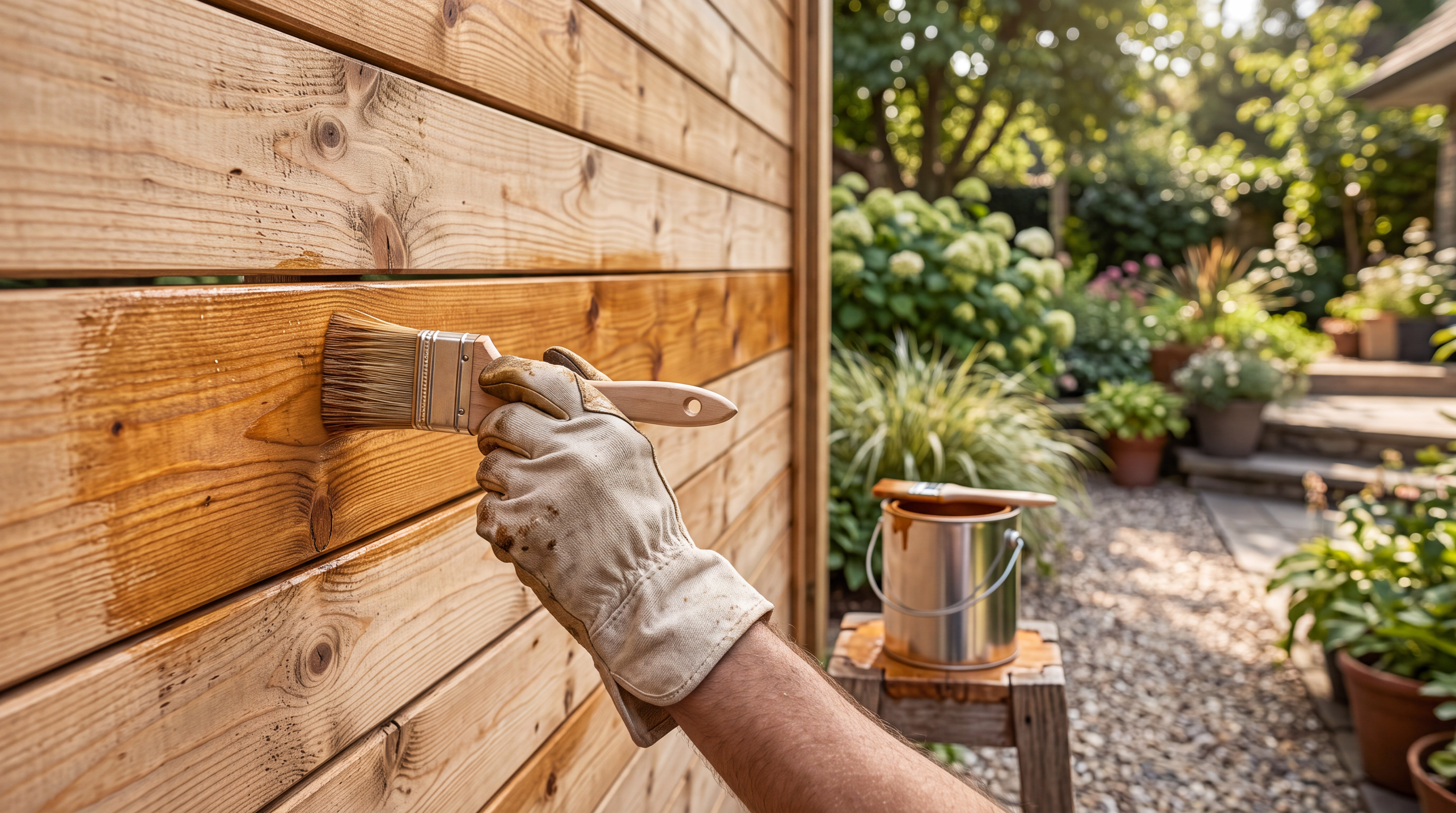
Choosing a deck stain is about more than picking a color. One of the biggest decisions is how much of the wood you want to see. Semi-transparent and solid stains are two of the most popular options, and they create very different results. One lets the natural beauty of the wood shine through. The other covers it with rich, even color.
If you are trying to decide between semi-transparent vs. solid deck stain, this guide breaks down how each finish looks, how it protects, how it wears in East Texas weather, and which one may be the better fit for your deck.
Why Your Stain Choice Matters
Deck stain does two important jobs. It adds color, and it helps protect the wood from UV rays and moisture. The type of stain you choose affects:
- How your deck looks
- How much of the wood grain shows
- How well the finish blocks UV rays
- How the finish wears over time
- How often you may need to reapply
- How easy it is to change finishes later
In East Texas, where decks face strong sun, high humidity, and frequent rain, choosing the right finish can make a big difference in how your deck holds up.
What Is Semi-Transparent Deck Stain?
Semi-transparent stain contains a moderate amount of pigment. It adds noticeable color while still allowing the natural grain and texture of the wood to show through. Instead of sitting on top of the wood, it is designed to soak into the surface.
How It Looks
Semi-transparent stain enhances the natural character of the wood. You will see the grain, knots, and texture, but with added color and richness. It creates a warm, natural appearance that many homeowners love.
How It Protects
The pigment in semi-transparent stain helps block some UV rays, offering more sun protection than clear finishes. Many semi-transparent stains also include water-repellent properties to help protect against moisture.
How It Wears
Because semi-transparent stain soaks into the wood rather than forming a thick surface layer, it typically fades and wears gradually over time. That gradual wear can make future maintenance more straightforward, since there is often less peeling to deal with.
Maintenance
Semi-transparent stains generally need to be reapplied more often than solid stains, especially on decks with heavy sun exposure or foot traffic.
What Is Solid Deck Stain?
Solid stain contains the most pigment of any deck stain. It provides rich, even color that covers most of the wood grain. In appearance, it can look similar to paint, though it is designed for use on wood surfaces.
How It Looks
Solid stain creates a uniform, opaque finish. It hides much of the wood grain and many surface imperfections, giving your deck a clean, consistent look.
How It Protects
Because it has so much pigment, solid stain generally offers strong UV protection. It can help shield the wood from fading and graying in strong sun.
How It Wears
Solid stain forms more of a coating on the surface of the wood. Over time, especially in high-traffic areas, it may wear or peel rather than gradually fading. How it wears depends on the product, the condition of the wood, and how well the surface was prepared.
Maintenance
Solid stains often last longer between applications than semi-transparent stains. However, if the finish begins to peel, more preparation may be needed before recoating.
Semi-Transparent vs. Solid Deck Stain: Key Differences
Appearance
Semi-transparent stain shows the natural wood grain with added color. Solid stain covers most of the grain with an even, opaque color.
UV Protection
Both offer UV protection, but solid stain generally provides more because of its higher pigment content.
Hiding Imperfections
Solid stain is better at hiding discoloration, mismatched boards, and surface flaws. Semi-transparent stain lets those imperfections show.
How They Wear
Semi-transparent stain tends to fade gradually. Solid stain may peel or wear in high-traffic areas.
Maintenance Frequency
Semi-transparent stain usually needs more frequent reapplication. Solid stain often lasts longer between coats.
Changing Finishes Later
It is usually easier to move from a semi-transparent stain to a solid stain later than to go from solid back to semi-transparent. Once a deck has a solid stain, returning to a more natural look often requires significant prep to remove the old finish.
When Semi-Transparent Stain Is the Better Choice
Semi-transparent stain may be right for your deck if:
- Your wood is in good condition and you want to show off its natural grain.
- You love a natural look with warm, rich color.
- Your deck is newer and does not have many imperfections to hide.
- You prefer gradual wear rather than a finish that may peel.
- You do not mind reapplying more often to maintain protection and color.
When Solid Stain Is the Better Choice
Solid stain may be the better fit if:
- Your deck is older or weathered and has uneven color.
- You have mismatched boards from repairs or replacements.
- You want maximum UV protection for a deck in full sun.
- You prefer a uniform, consistent color across the entire deck.
- You want longer intervals between staining projects.
What About Railings and Vertical Surfaces?
Some homeowners choose different finishes for different parts of the deck. Vertical surfaces like railings, balusters, and skirting get less foot traffic than the deck floor, so solid stain may hold up well there. Meanwhile, the deck surface might get a semi-transparent stain that wears more gradually under foot traffic. Your contractor can help you decide whether a combination makes sense.
How East Texas Weather Affects Your Choice
East Texas sun is intense, especially on south- and west-facing decks. If your deck sits in full sun most of the day, the added UV protection of solid stain may help slow fading. Decks under heavy shade face more moisture and mildew, so proper prep and a finish with water-repellent properties are important regardless of stain type.
Humidity and frequent rain also affect how stain cures. No matter which finish you choose, applying it to clean, dry wood during mild weather helps it perform its best.
Choosing a Color
Once you choose between semi-transparent and solid stain, you will select a color. Consider:
- Your home’s exterior colors, such as brick, siding, and trim
- Your fence and other outdoor wood, for a coordinated look
- How much sun the deck gets, since darker colors can feel warmer underfoot in direct sun
- The look you want, whether natural wood tones or bolder colors
Testing your stain on a small, less visible area first helps you see how it looks on your specific wood.
Preparation Matters for Both Finishes
Whether you choose semi-transparent or solid stain, preparation is key. A long-lasting finish depends on:
- Inspecting and repairing damaged boards
- Cleaning away dirt, mildew, and grime
- Removing old, failing finish
- Letting the wood dry completely
- Applying stain in the right weather conditions
Skipping prep is one of the most common reasons any stain fails early.
Common Mistakes When Choosing a Deck Stain
- Choosing solid stain for a new, beautiful deck when you would prefer to see the wood grain
- Choosing semi-transparent stain to hide damaged boards, since it will not cover imperfections
- Ignoring sun exposure when selecting a finish
- Applying stain over a failing finish
- Not testing the color first
How Often Should You Restain?
Many decks need a fresh coat every two to three years, though this depends on sun exposure, foot traffic, the stain type, and the condition of the wood. A simple water test can help. If water soaks into the boards instead of beading up, it is time to refinish.
Professional Deck Staining From Rise Decks & Fence
Choosing between semi-transparent and solid deck stain is easier with an experienced team to guide you. At Rise Decks & Fence, our staining and sealing services include deck staining, wood sealing, deck restoration, and outdoor wood finishing. We help you choose a finish that fits your deck’s condition, your style, and East Texas weather, then apply it with careful preparation and attention to detail.
We also stain fences, pergolas, and patio covers. If your deck needs more than a new finish, we can help with repairs, restoration, or a new custom deck.
We serve homeowners in Tyler, Lindale, Bullard, Chandler, Athens, and surrounding East Texas communities. Visit our FAQ page for more answers.
Deck Stain FAQs
Which lasts longer, semi-transparent or solid stain?
Solid stain often lasts longer between applications, while semi-transparent stain typically needs to be reapplied more often.
Can I switch from semi-transparent to solid stain?
Yes. Moving from semi-transparent to solid stain is usually easier than going from solid back to semi-transparent.
Does solid stain peel?
It can, especially in high-traffic areas or if the surface was not properly prepared.
Which stain is best for an old deck?
Solid stain is often a good choice for older decks because it hides discoloration and imperfections.
Which stain shows the wood grain?
Semi-transparent stain shows the natural grain, while solid stain covers most of it.


