




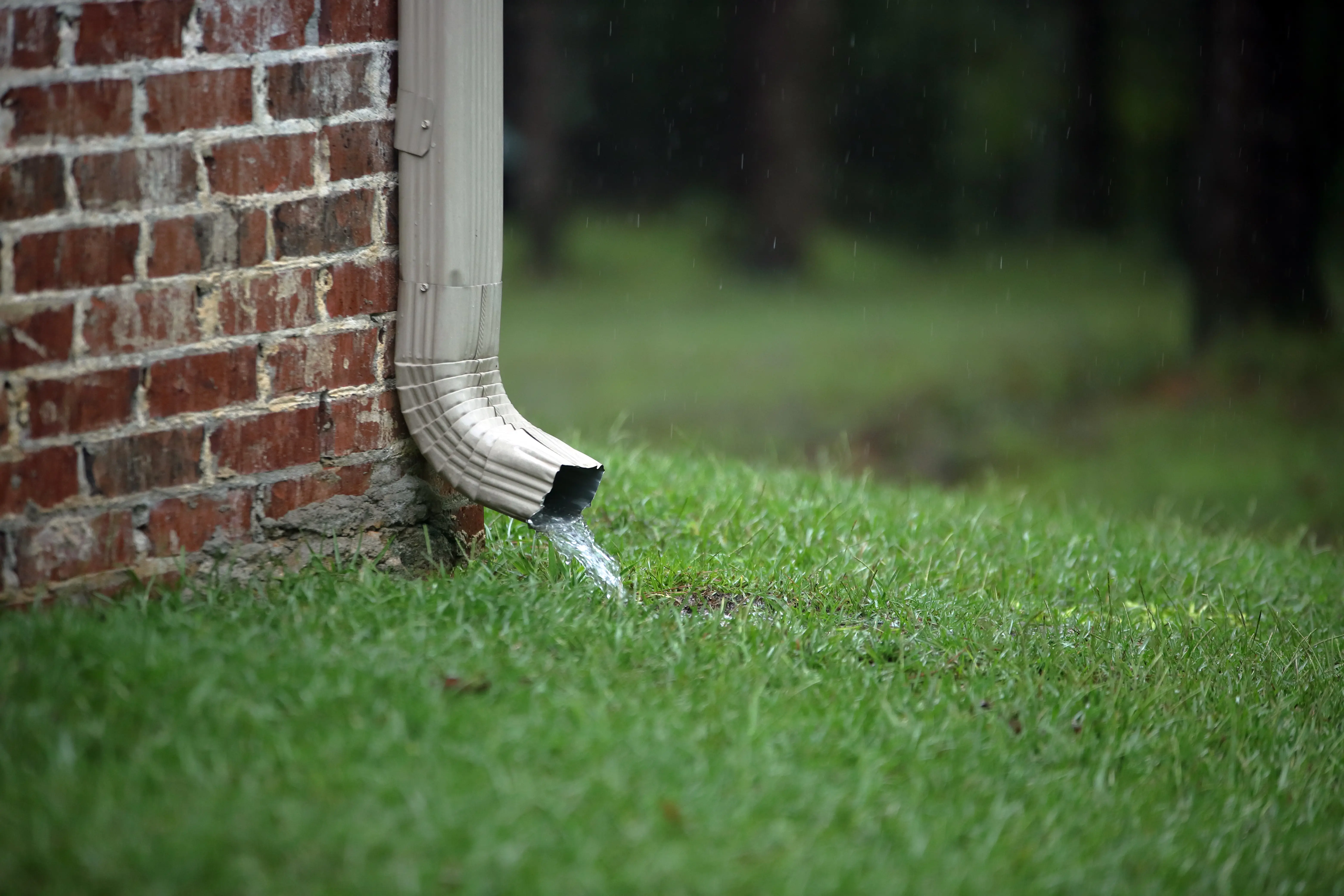
A patio cover is supposed to keep you dry. But all the rain that lands on the roof has to go somewhere. In East Texas, where heavy downpours and sudden storms are common, a patio cover without a good drainage plan can cause problems: water pouring off the edge onto your seating area, puddles forming near the house, soil washing away, and moisture damaging posts over time.
Good drainage is one of the most important parts of a well-built patio cover, even though it often gets overlooked. Here is how patio cover gutters and drainage work, why they matter, and how to keep water under control.
Why Drainage Matters
Proper drainage helps:
- Keep your seating area dry during and after rain
- Protect your home’s foundation from water pooling nearby
- Prevent erosion in landscaping and around posts
- Protect posts from moisture damage at the base
- Reduce slippery surfaces on patios and decks
- Protect the connection between the patio cover and your home
Start With Roof Slope
A patio cover roof needs enough slope to shed water efficiently. A roof that is too flat can allow water to sit, which may lead to leaks or damage. The direction of the slope determines where water flows. For attached patio covers, the roof is typically sloped away from the house so water does not run toward the home.
Understanding the Drip Line
Without gutters, rain runs off the edge of the roof and falls in a line along the ground below. This drip line can:
- Splash onto furniture and people near the edge
- Wear a trench in the soil or mulch
- Splash dirt onto posts, siding, and patio surfaces
- Create muddy areas
Gutters help collect that water and direct it where you want it to go.
Gutters for Patio Covers
Gutters along the low edge of the patio cover catch rainwater before it falls. They should:
- Be sized appropriately for the roof area and heavy rainfall
- Be properly sloped toward downspouts so water does not sit
- Be securely attached to handle the weight of water and debris
Leaf Guards
East Texas yards often have pine needles, oak leaves, and other debris that can clog gutters quickly. Leaf guards may help reduce clogs, though gutters still need occasional cleaning.
Downspouts
Downspouts carry water from the gutters to the ground. Placement matters:
- Keep downspouts away from walkways and seating areas.
- Direct water away from your home’s foundation.
- Avoid sending water toward neighbors’ property.
- Use extensions or splash blocks to move water away from the base of the downspout.
Where the Patio Cover Meets Your Roof
If your patio cover ties into your home’s roofline, water from both roofs may come together in certain areas. This connection needs careful planning so water flows properly and does not leak into the house or the patio cover.
Ground-Level Drainage
What happens on the ground matters too:
- Grade the soil so it slopes away from the house and patio.
- Use rock beds or gravel where water discharges to reduce erosion.
- Consider drainage solutions for problem areas where water collects. A landscaper can help with options like dry creek beds or drains.
Protecting the Posts
Water collecting around the base of patio cover posts can lead to moisture damage over time. Keep water flowing away from posts, and keep soil and mulch from piling up around them.
Drainage for Decks Under Patio Covers
If your patio cover sits over a deck, the edges of the deck may still get wet from the drip line or wind-driven rain. Gutters help keep water off the deck surface, and good drainage under the deck helps it dry.
What About Pergolas?
Pergolas have open roofs, so rain passes through instead of running off. They typically do not need gutters. If you add a fabric canopy, water can pool on it, so make sure it is properly tensioned or retracted during heavy rain.
Signs of Drainage Problems
Watch for:
- Gutters overflowing during rain
- Water pooling near the house or posts
- Erosion or washed-out mulch
- Water stains on posts, siding, or ceilings
- Leaks where the cover connects to the house
- Mildew on surfaces near the patio cover
- Muddy areas along the drip line
Maintaining Your Drainage System
- Clean gutters regularly, especially in fall and during heavy pine needle drop.
- Check downspouts after storms to make sure they are clear.
- Inspect gutter seams and connections for leaks.
- Make sure extensions are still in place and directing water away.
- Look for erosion and fix it before it gets worse.
- Protect wood components with staining and sealing.
Common Drainage Mistakes
- A roof slope that is too flat
- No gutters on a solid patio cover
- Downspouts draining toward the house or walkways
- Ignoring the connection to the home’s roof
- Letting gutters clog with leaves and pine needles
- Poor grading around the patio
How Long Does It Take to Build a Patio Cover?
Many patio cover projects can be completed in approximately 3 to 5 working days, depending on size, design, materials, and site conditions.
Build a Patio Cover With Smart Drainage From Rise Decks & Fence
At Rise Decks & Fence, we build custom patio covers and pergolas designed to protect your outdoor space from the Texas sun and unpredictable weather. We plan roof slope, gutters, and drainage so your patio cover keeps you dry and protects your home. We can also build your cover over a custom deck or add a fence to complete your yard.
We serve Tyler and surrounding communities, including Lindale, Bullard, Flint, Chandler, and Palestine. Learn more on our About page or visit our FAQ page.
Patio Cover Drainage FAQs
Does my patio cover need gutters?
Solid patio covers usually benefit from gutters to control rainwater and protect seating areas, posts, and foundations.
Where should patio cover downspouts drain?
Away from walkways, seating areas, your home’s foundation, and neighbors’ property.
Do pergolas need gutters?
Pergolas usually do not, since rain passes through the open roof.
How often should I clean my patio cover gutters?
Clean them regularly, especially during fall and heavy pine needle drop, and check them after storms.
What causes leaks where a patio cover meets the house?
Leaks can happen if the connection is not built and sealed properly or if water flow is not managed well.


