



If you have lived in East Texas for long, you know humidity is a fact of life. Muggy summers, rainy springs, damp mornings, and shady yards all add up to one thing for your deck: moisture. And where moisture lingers, mold and mildew are never far behind.
Dark spots, gray patches, green film, and a musty smell are all signs that mildew or mold has made itself at home on your deck. Beyond looking unsightly, these growths can make boards slippery and signal moisture problems that could lead to bigger issues. Here is how to protect your deck from mold and mildew in humid East Texas, from prevention to cleaning and long-term care.
Mold, Mildew, Algae, and Rot: What Is the Difference?
These terms are often used interchangeably, but they are not the same:
- Mildew is a surface fungus that often appears as gray, black, or white spots or patches.
- Mold is also a fungus and can appear in various colors. On decks, it often looks similar to mildew.
- Algae typically appears as a green film, especially in shady, damp areas.
- Rot is decay inside the wood caused by fungi that break down wood fibers. Rot weakens the wood and is a structural concern.
Mildew, mold, and algae are mostly surface problems, but they are signs that your deck is staying damp. If left unchecked, persistent moisture can create conditions for rot.
Why Decks in East Texas Are Prone to Mold and Mildew
- High humidity keeps wood from drying out completely.
- Frequent rain soaks boards repeatedly.
- Warm temperatures for much of the year help fungi grow.
- Shade from trees slows drying.
- Leaves, pine straw, and pollen hold moisture and provide food for growth.
Why Mold and Mildew on Your Deck Matter
- Slippery surfaces can make the deck unsafe, especially when wet.
- Unsightly stains affect the look of your deck and home.
- Finish damage can occur as growth breaks down protective coatings.
- Moisture problems may lead to rot if not addressed.
- Allergies may be aggravated for some people.
How to Spot Mold and Mildew
Watch for:
- Black, gray, or white spots or patches
- Green film or slime
- Darkened areas in shaded spots
- A musty odor
- Slick, slippery boards
Common problem areas include:
- Shaded sections under trees or overhangs
- Areas under rugs, planters, and furniture
- Corners where leaves collect
- The north side of the house
- Areas near sprinklers or downspouts
How to Prevent Mold and Mildew on Your Deck
1. Sweep Regularly
Leaves, pine straw, and pollen trap moisture and feed mold and mildew. Sweeping regularly is one of the simplest ways to prevent growth.
2. Keep the Gaps Clear
Debris stuck between boards holds water. Clearing these gaps helps water drain and boards dry.
3. Improve Airflow
Good airflow helps wood dry faster. Trim shrubs and plants away from the deck, and keep the area under the deck clear of stored items.
4. Let in Sunlight
Sunlight helps dry the deck. If heavy tree cover keeps your deck constantly shaded, consider having an arborist thin branches to let in more light.
5. Manage Water
- Direct gutters and downspouts away from the deck.
- Keep sprinklers from spraying the deck.
- Fix low spots where water pools under or around the deck.
6. Raise Planters
Planters sitting directly on deck boards trap moisture. Use pot feet or risers to allow airflow underneath.
7. Move Rugs and Furniture
Rugs, mats, and furniture can trap moisture. Move them occasionally to let the boards dry.
8. Keep a Protective Finish
A quality stain and sealer helps repel water and protect wood. Some products are formulated to resist mildew growth. Regular staining and sealing is one of the best ways to help prevent moisture problems.
9. Clean Spills Promptly
Food and drink spills provide nutrients for mold and mildew. Clean them up quickly.
10. Plan Good Design From the Start
Proper board spacing, ventilation under the deck, and good drainage help prevent moisture problems. If you are building a new custom deck, these details make a difference.
How to Remove Mold and Mildew From Your Deck
Use a Cleaner Made for Decks
Choose a cleaner designed to remove mildew from outdoor wood. Follow the product instructions carefully.
Be Cautious With Harsh Chemicals
Some harsh chemicals can damage wood fibers, affect the finish, discolor the wood, or harm nearby plants. Use products intended for decks and protect landscaping when cleaning.
Scrub Gently
Use a soft brush to loosen growth without damaging the wood.
Rinse Thoroughly
Rinse away the cleaner and loosened growth.
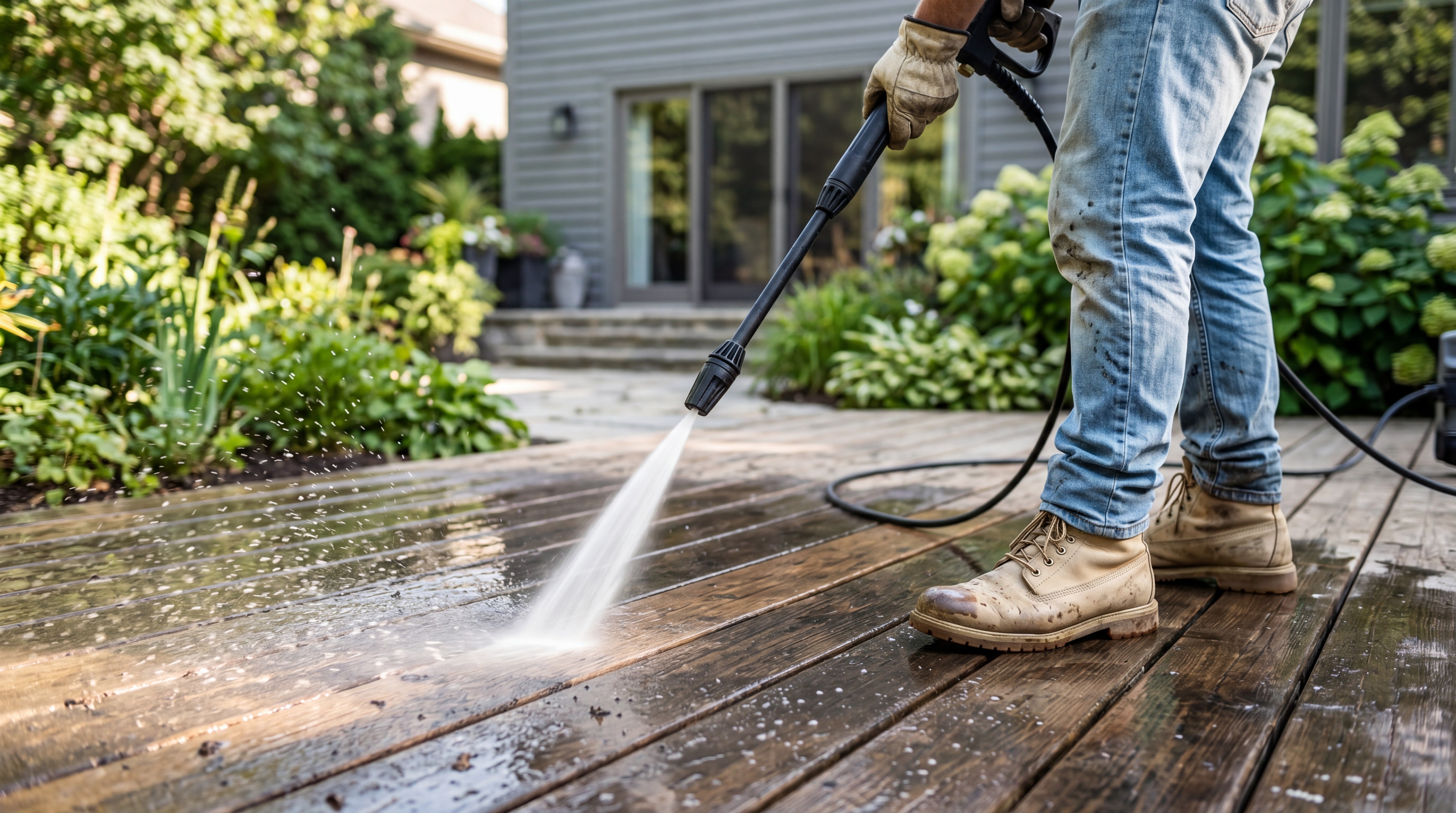
Be Careful With Pressure Washing
High pressure can damage wood and leave a rough surface that holds more moisture. Use low pressure or gentle cleaning methods.
Let the Deck Dry Completely
Make sure the deck dries thoroughly after cleaning.
Restain if Needed
If the finish has worn away, restaining after cleaning helps protect the wood and slow future growth.
When to Call a Professional
Consider professional help if:
- Mold or mildew keeps coming back
- Growth covers large areas of the deck
- The finish is failing or peeling
- You notice soft or spongy wood
- The deck needs restoration
A Seasonal Mildew Prevention Plan
Spring
- Clean off pollen and winter grime.
- Check shaded areas for growth.
- Do a water test on the finish.
Summer
- Sweep regularly.
- Move rugs and planters occasionally.
- Keep sprinklers off the deck.
Fall
- Clear leaves and pine straw often.
- Clean and restain during mild, dry weather if needed.
Winter
- Keep debris off the deck.
- Check for standing water after rain.
Add Shade Without Adding Moisture
If you want shade but worry about moisture, a patio cover can provide shade while keeping rain off the deck surface underneath. Proper drainage from the cover keeps water away from the deck.
Common Mistakes
- Letting leaves and debris pile up
- Leaving rugs and planters in one spot
- Using harsh chemicals that damage wood
- Pressure washing too aggressively
- Ignoring drainage problems
- Skipping stain and sealer
Protect Your Deck With Rise Decks & Fence
At Rise Decks & Fence, our staining and sealing services include deck staining, wood sealing, deck restoration, and outdoor wood finishing. We clean, prepare, and protect decks so they can better resist moisture in humid East Texas weather. If we find signs of rot or damage, we will let you know and help you plan the right next step.
We serve homeowners in Tyler, Lindale, Bullard, Flint, Jacksonville, and surrounding East Texas communities. Learn more about us on our About page or visit our FAQ page.
Deck Mold and Mildew FAQs
Why does my deck get mildew?
Mildew grows when wood stays damp. Humidity, shade, debris, and poor drainage all contribute.
Is mildew on my deck dangerous?
Mildew can make boards slippery and may signal moisture problems that could lead to rot.
How do I remove mildew from my deck?
Use a cleaner made for decks, scrub gently, rinse thoroughly, and let the deck dry completely.
Does staining prevent mildew?
Staining and sealing help repel water, which helps reduce mildew. Some products are formulated to resist mildew.
Should I pressure wash mildew off my deck?
Use caution. High pressure can damage wood. Gentle cleaning methods are often safer.


