




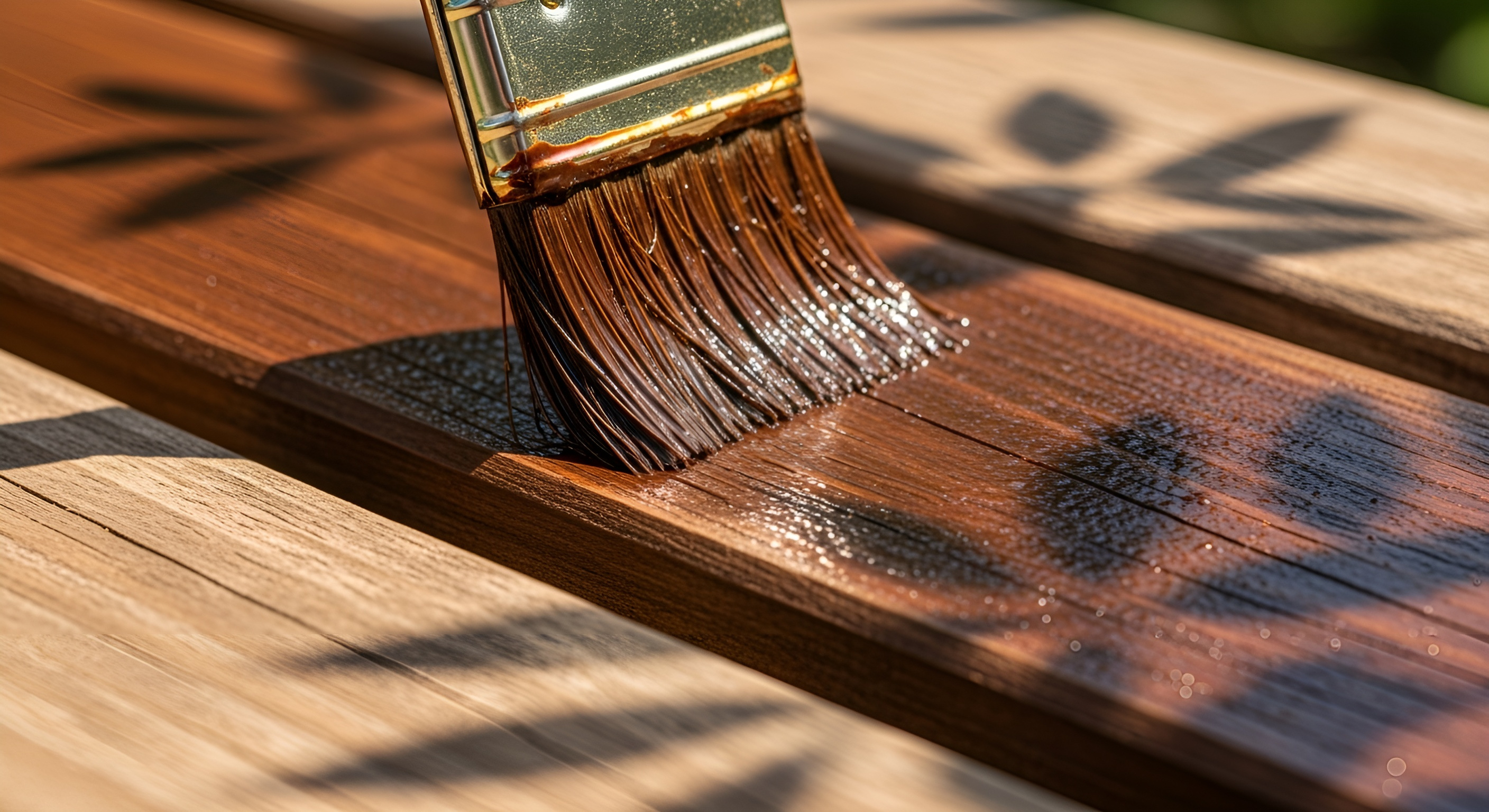
Wood rot is one of the most damaging problems a deck or fence can face. It often starts quietly, out of sight, and by the time you notice soft boards or a leaning post, the damage may already be significant. Rot weakens wood from the inside out, turning sturdy boards and posts into soft, crumbling material that can no longer do its job.
In East Texas, where humidity is high and rain is frequent, outdoor wood is especially vulnerable. The good news is that rot is largely preventable. Staining and sealing is one of the most effective ways to help protect your deck and fence. Here is how rot develops, how staining and sealing help prevent it, and what else you can do to keep your outdoor wood strong for years.
What Is Wood Rot?
Wood rot is decay caused by fungi that feed on wood fibers. These fungi need a few things to grow:
- Moisture in the wood
- Oxygen
- Mild to warm temperatures
- A food source, which is the wood itself
When wood stays damp for long periods, conditions become right for rot fungi to grow. Over time, they break down the wood’s structure, causing it to soften, crumble, and lose strength.
You may hear terms like wet rot or dry rot. Despite the name, all types of wood rot are connected to moisture. Keeping wood dry is the key to preventing it.
Why East Texas Decks and Fences Are at Risk
East Texas weather creates many of the conditions rot needs:
- High humidity keeps wood from fully drying
- Frequent rain soaks boards and posts
- Warm temperatures for much of the year
- Shade from trees slows drying
- Leaves and pine straw hold moisture against the wood
- Soil contact keeps fence and deck posts damp
When wood absorbs moisture repeatedly and does not get a chance to dry out, it becomes vulnerable to decay.
How Staining and Sealing Help Prevent Rot
1. They Help Repel Water
The most important way staining and sealing help prevent rot is by reducing how much water soaks into the wood. Many stains and sealers include water-repellent properties that cause water to bead up and roll off instead of absorbing into the boards. Less moisture in the wood means fewer opportunities for rot to start.
2. They Help Reduce Cracking
When unprotected wood repeatedly gets wet and dries out, it can crack and split. These cracks, often called checks, create openings where water can penetrate deeper into the wood. A protective finish helps slow this cycle, reducing the cracks that let moisture in.
3. They Protect Against UV Damage
Sunlight breaks down the surface fibers of wood, causing graying and roughness. Damaged surface fibers absorb water more easily. Pigmented stains help block UV rays, keeping the surface stronger and better able to resist moisture.
4. They Help Wood Dry Faster
When a finish helps water bead up and run off, the wood does not hold as much moisture after rain. That means it dries out faster, which reduces the time rot fungi have to grow.
5. They Help Reduce Mildew and Surface Growth
Mildew and algae thrive on damp wood surfaces. While they are different from rot, they are signs of moisture and can hold water against the wood. A protective finish, combined with regular cleaning, helps reduce surface growth.
What Staining and Sealing Cannot Do
Staining and sealing are powerful tools, but they have limits:
- They cannot fix rot that already exists. Rotted wood needs to be repaired or replaced.
- They cannot overcome poor drainage. Standing water near posts will still cause problems.
- They wear down over time. A finish needs to be reapplied regularly to keep working.
- They work best on properly prepared wood. Stain applied over dirt, mildew, or damp wood may not protect well.
That is why staining and sealing work best as part of a complete approach to protecting your outdoor wood.
Where Rot Usually Starts on Decks and Fences
On Decks
- Joists and beams under the deck, where moisture collects
- The ledger area where the deck connects to the house
- Post bases near the ground
- Board ends that absorb moisture quickly
- Areas under planters and rugs
- Shaded sections that stay damp longer
On Fences
- The base of posts where wood meets soil
- The bottom of boards close to the ground
- Rails where water can collect at connections
- Gate posts, which also carry extra stress
- Areas near sprinklers
- Sections covered by vines or shrubs
Warning Signs of Wood Rot
Watch for these signs on your deck or fence:
- Soft or spongy wood when you press on it
- Crumbling or flaking wood
- Dark discoloration or staining
- Wood that breaks apart easily
- Boards that sag or bounce
- Leaning fence posts
- Fungal growth on the surface
- A musty smell in damp areas
Use a screwdriver to gently probe suspicious areas. If it sinks easily into the wood, rot may be present.
Other Ways to Help Prevent Rot
Keep Water Away
- Direct gutters and downspouts away from decks and fences.
- Adjust sprinklers so they do not spray the wood.
- Fix low spots where water pools near posts.
Improve Airflow
- Trim shrubs, vines, and branches away from your fence and deck.
- Avoid storing items against the fence or under the deck.
- Keep space between deck boards clear of debris.
Keep Wood Clean
- Sweep away leaves and pine straw regularly.
- Clean off dirt, pollen, and mildew a few times a year.
- Move planters and rugs occasionally so moisture does not collect underneath.
Build It Right From the Start
Good construction helps wood shed water and dry out. Proper board spacing, solid post installation, and attention to drainage make a big difference. When planning a new custom deck or fence, building with East Texas weather in mind helps prevent problems later.
Inspect Regularly
Check your deck and fence in spring and fall, as well as after major storms. Catching early signs of moisture problems can prevent bigger damage.
Add Shade and Shelter
A patio cover over part of your deck reduces how much rain and sun reaches the boards underneath.
How Often Should You Stain and Seal?
Many decks and fences need a fresh coat every two to three years, though the right timing depends on sun exposure, shade, foot traffic, and the type of finish used. A simple water test can help: sprinkle water on the wood. If it beads up, the finish is still working. If it soaks in, it is time to restain and seal.
What to Do If You Find Rot
If you discover rot on your deck or fence:
- Assess the extent of the damage.
- Replace rotted boards or sections.
- Address structural rot in posts, joists, or beams right away.
- Fix the moisture source that caused the rot.
- Clean, prepare, and refinish the surrounding wood.
If rot is widespread or affects the structure, replacement may be the safer option.
Professional Staining and Sealing From Rise Decks & Fence
At Rise Decks & Fence, our staining and sealing services help protect the investment you have already made. We offer deck staining, wood sealing, deck restoration, and outdoor wood finishing for decks, fences, pergolas, and patio covers. We pay close attention to preparation so the finish bonds well and protects your wood from UV exposure and moisture.
If we find rot or damage, we will let you know and help you plan the right repair or replacement.
We serve homeowners in Tyler, Lindale, Bullard, Athens, Palestine, and surrounding East Texas communities. Visit our FAQ page for more answers.
Wood Rot Prevention FAQs
Does staining prevent wood rot?
Staining and sealing help reduce moisture absorption and cracking, which helps prevent rot. They work best alongside good drainage and regular maintenance.
Can I stain over rotted wood?
No. Rotted wood should be repaired or replaced before staining.
What causes wood rot on fences?
Rot is caused by fungi that grow when wood stays damp. Fence posts in soil, sprinkler spray, and poor drainage are common causes.
How often should I seal my deck to prevent rot?
Many decks need a fresh coat every two to three years, depending on exposure and wear.
How can I tell if my deck has rot?
Look for soft, spongy, or crumbling wood, and probe suspicious areas with a screwdriver.


