




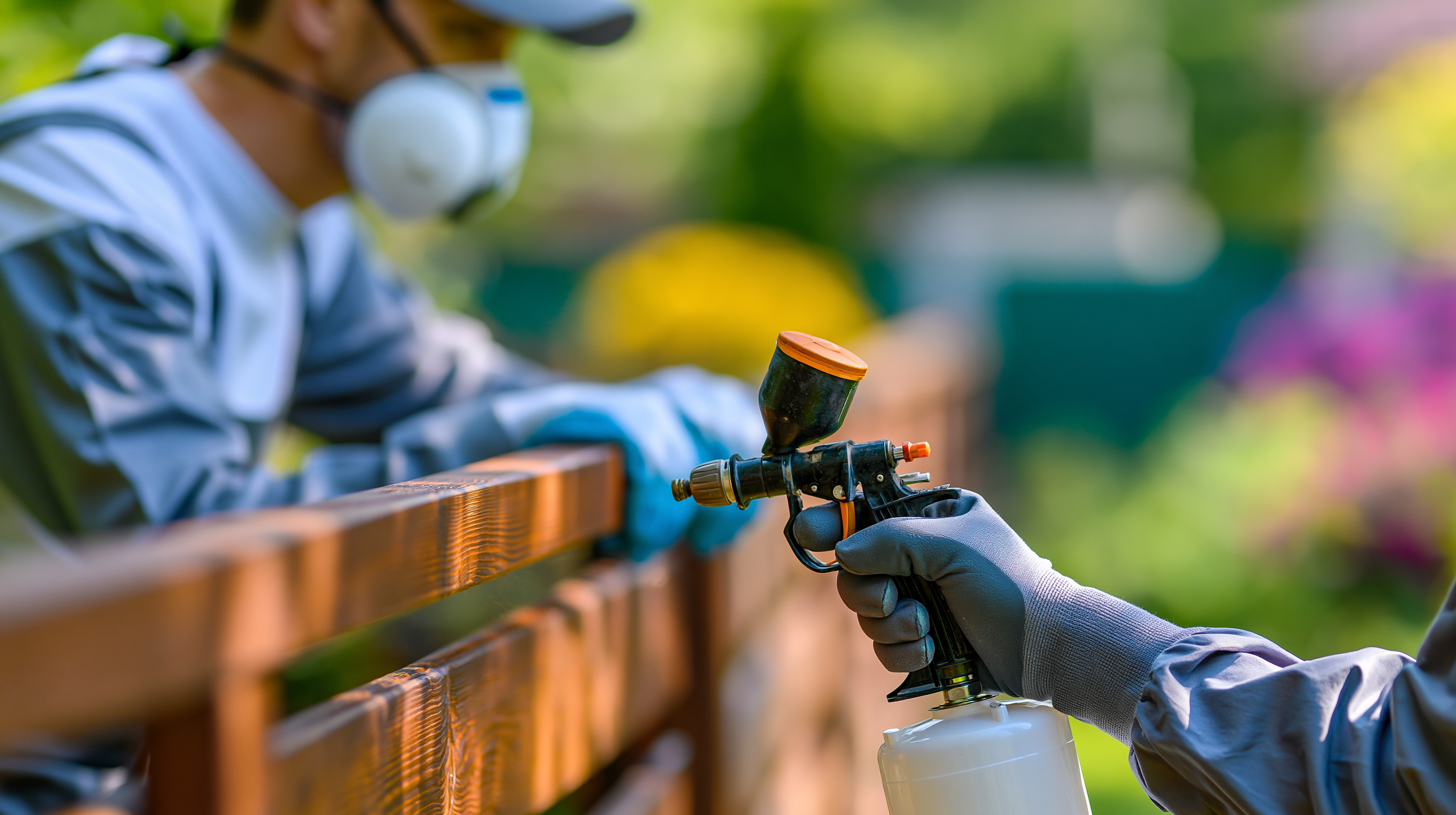
A freshly stained fence looks fantastic. The color is rich, the wood is protected, and the whole yard looks more polished. But stain does not last forever, especially under East Texas sun, humidity, and rain. Eventually, the color fades and the protection wears down.
So how often should you stain a fence in East Texas? Many fences need a fresh coat every two to three years, though some may go longer and others may need attention sooner. The right schedule depends on your fence’s sun exposure, the type of stain, the condition of the wood, and the weather it faces. Here is what affects your fence staining schedule, how to tell when it is time, and how to make your stain last longer.
The Short Answer
A good starting point for many East Texas fences is to plan on restaining every two to three years. Fences with solid stains may last longer between coats, while fences with clear or lightly tinted finishes may need attention sooner. The best approach is to watch for signs of wear rather than relying only on the calendar.
How Fences Differ From Decks
Fences and decks are both outdoor wood, but they wear differently:
- Fences are vertical, so water runs off rather than sitting on the surface.
- Fences do not get foot traffic, which wears down deck stain quickly.
- Fences have two sides, which may weather at different rates.
- The bottom of a fence is close to soil and moisture.
Because of these differences, stain on a fence often lasts longer than stain on a deck, but fences still need regular attention.
What Affects How Often You Need to Stain Your Fence
Sun Exposure
Sun is one of the biggest factors. Fences that face south or west often get the most intense sun and may fade faster. The side of the fence facing the sun usually shows wear first.
Shade and Moisture
Fences under trees or in shaded areas may not fade as quickly, but they can stay damp longer and develop mildew.
Type of Stain
- Clear and toner finishes let most of the wood grain show but typically need to be reapplied more often.
- Semi-transparent stains offer a balance of color and protection.
- Solid stains generally last longer between coats and offer strong UV protection.
Wood Condition and Age
Older, weathered wood can absorb stain differently than newer wood. A fence that was neglected for years may need more preparation and possibly more frequent attention at first.
Quality of the Previous Application
A stain that was applied to clean, dry, properly prepared wood will usually last longer than one applied in a hurry.
Sprinklers and Landscaping
Sprinklers that spray the fence and plants growing against it keep the wood damp and can shorten the life of the stain.
Storms
Hail, wind-driven rain, and debris can damage the finish and the wood.
Both Sides of the Fence
The two sides of your fence may face very different conditions. One side may get full afternoon sun while the other stays shaded. The street-facing side may look worn before the yard side. You may need to touch up one side more often than the other.
If the outside of your fence faces a neighbor’s yard, talk with your neighbor about access if you want both sides stained.
Signs Your Fence Needs to Be Stained
Watch for these signs:
- Water soaks in instead of beading up
- Color fading or uneven color
- Graying wood, especially on the sunny side
- Peeling or flaking finish
- Mildew or dark spots
- Rough or splintery boards
- Small cracks in the wood
The Water Test
Sprinkle water on several boards in sunny and shaded areas. If the water beads up, the stain is still working. If it soaks in within a few minutes, it is time to restain.
When to Stain a New Fence
New wood may need time to dry before the first coat of stain, depending on the type of wood and how it was treated. Staining too soon can lead to poor absorption. Waiting too long leaves the wood exposed to sun and moisture. Your fence builder can recommend the right timing for your new fence.
The Best Time of Year to Stain a Fence in East Texas
Stain performs best on clean, dry wood in mild weather. Mid-to-late spring and early-to-mid fall often offer the most dependable conditions. Avoid:
- Extreme heat and direct midday sun
- Rainy forecasts
- Heavy pollen season, when pollen can stick to wet stain
Maintenance Coat vs. Full Restain
Maintenance Coat
If your stain is starting to fade but is not peeling, a cleaning followed by a fresh coat may be enough. This is easier and faster than a full restoration.
Full Restain or Restoration
If the stain is peeling, the wood is gray and weathered, or mildew is widespread, the fence may need more thorough preparation, including cleaning, removing failing finish, and repairs, before restaining.
Restaining on a regular schedule helps you avoid the more involved restoration process.
Tips to Make Your Fence Stain Last Longer
- Prepare the surface properly before staining.
- Make sure the wood is dry before applying stain.
- Choose the right stain for your fence’s sun exposure.
- Keep sprinklers from spraying the fence.
- Trim plants and vines away from the boards.
- Keep soil and mulch away from the bottom of the fence.
- Clean off dirt and mildew as needed.
- Inspect after storms for damage.
Common Fence Staining Mistakes
- Waiting too long between coats
- Staining over dirt or mildew
- Staining damp wood
- Applying stain in direct sun or extreme heat
- Ignoring the bottom of the fence
- Staining only one side when both sides need protection
Should You Stain Your Fence and Deck Together?
Staining your fence and deck at the same time helps keep colors consistent and simplifies maintenance. Since decks often need restaining sooner due to foot traffic, you may find a schedule that works for both. Learn more about our custom decks and outdoor wood care.
Professional Fence Staining From Rise Decks & Fence
At Rise Decks & Fence, our staining and sealing services help protect the investment you have already made. We clean, prepare, and stain fences with finishes that hold up to East Texas sun and moisture. We also stain decks, pergolas, and patio covers.
When your fence needs more than a fresh coat, our fence services include repairs, fence replacement with removal and haul-away, and new custom fence installation.
We serve homeowners in Tyler, Lindale, Bullard, Murchison, Canton, and surrounding East Texas communities. Learn more about us on our About page or visit our FAQ page.
Fence Staining FAQs
How often should I stain my fence in East Texas?
Many fences need a fresh coat every two to three years, depending on sun exposure, stain type, and weather.
Does fence stain last longer than deck stain?
Often, yes. Fences are vertical and do not get foot traffic, so stain may last longer than on a deck.
How do I know when my fence needs stain?
If water soaks into the wood instead of beading up, or the color has faded or grayed, it is time to restain.
Should I stain both sides of my fence?
Both sides benefit from protection. If one side faces a neighbor’s yard, talk with your neighbor about access.
What is the best time of year to stain a fence?
Mild, dry weather in spring and fall is often best in East Texas.


