



When planning a new fence, most homeowners think about height, privacy, and gates. But one design choice has a surprisingly big impact on how your fence looks: the direction of the boards. Horizontal and vertical fences can use similar materials and serve the same purpose, yet they create completely different looks.
If you are trying to decide between horizontal vs. vertical fence styles, this guide breaks down how each one looks, how they perform, which home styles they suit, and what to consider before you build.
What Is a Vertical Fence?
A vertical fence is the traditional style most people picture when they think of a wood fence. The boards run up and down, attached to horizontal rails that connect the posts. Vertical fences come in several variations:
- Side-by-side, with boards placed tightly next to each other
- Board-on-board, with overlapping boards on alternating sides of the rails
- Shadowbox, with boards alternating on each side of the rails with slight spacing
- Picket, with spaced boards often used for front yards
Vertical fences are classic, versatile, and common throughout East Texas neighborhoods.
What Is a Horizontal Fence?
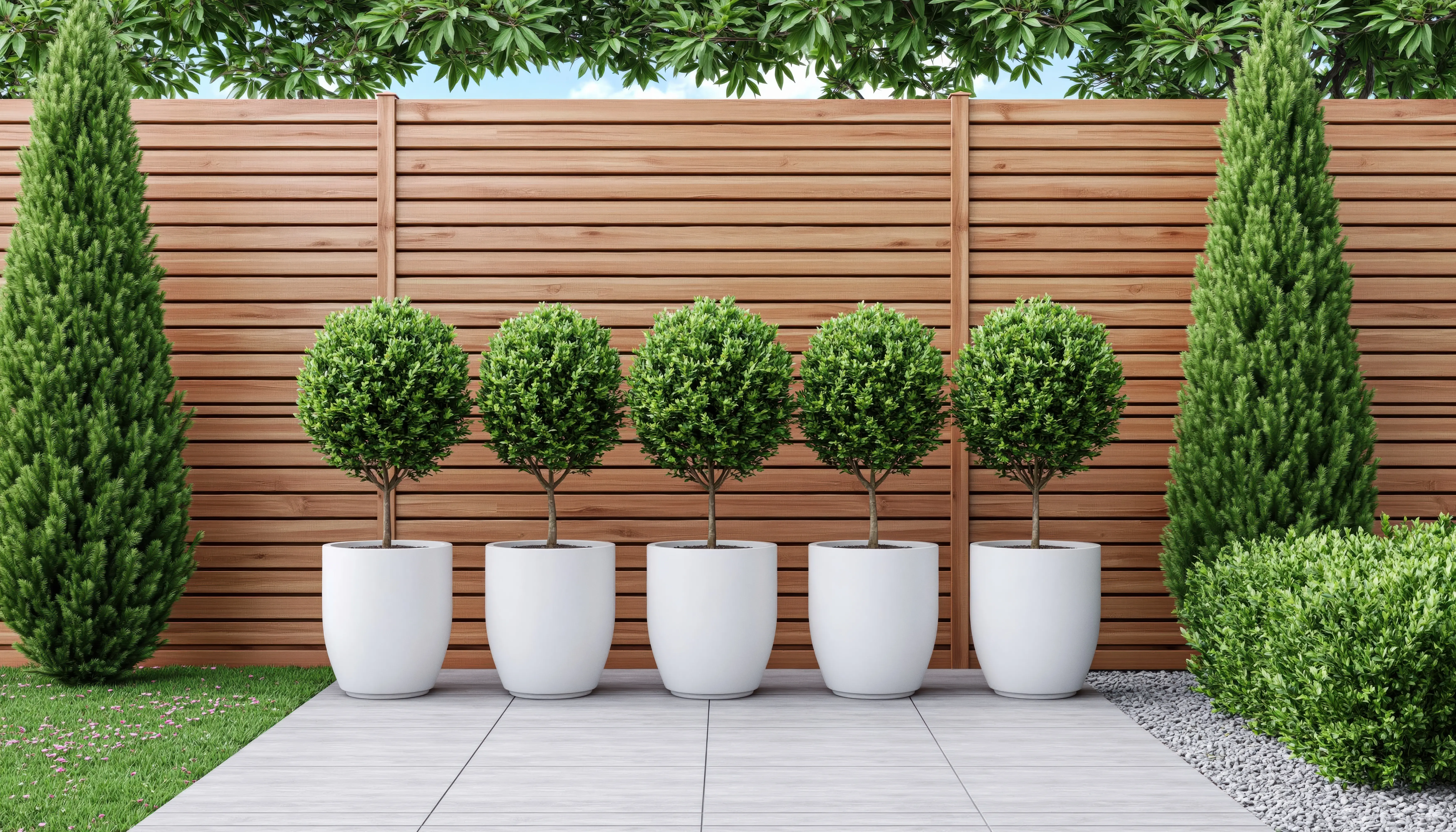
A horizontal fence has boards that run side to side, parallel to the ground. Instead of attaching to horizontal rails, the boards are fastened directly to the posts or to vertical supports. Horizontal fences are known for their clean, modern lines and have become increasingly popular in recent years.
Horizontal fences can be built with boards placed tightly together for full privacy or spaced slightly apart for a more open, contemporary look.
Horizontal vs. Vertical Fence: How They Look
Vertical Fences
Vertical fences have a timeless, traditional appearance. They suit a wide variety of homes and neighborhoods. The up-and-down lines draw the eye upward, which can make a fence feel taller and more stately.
Horizontal Fences
Horizontal fences have a sleek, modern feel. The side-to-side lines draw the eye along the length of the fence, which can make a yard feel wider and more open. Horizontal boards also highlight the natural grain of the wood in a way that feels clean and intentional.
Which Home Styles Suit Each Fence?
Homes That Pair Well With Vertical Fences
- Traditional homes with classic architecture
- Ranch-style homes, common across East Texas
- Farmhouse homes, especially with picket or board-on-board styles
- Colonial and cottage-style homes
- Homes in established neighborhoods with traditional fence styles
Homes That Pair Well With Horizontal Fences
- Modern and contemporary homes with clean lines
- Mid-century homes with low, horizontal rooflines
- Updated or remodeled homes with a fresh look
- Homes with minimalist landscaping
- Homes with modern outdoor living spaces
Your fence should complement your home’s architecture. A horizontal fence on a very traditional home can feel out of place, while a classic picket fence may not fit a sleek modern home.
Privacy: Horizontal vs. Vertical
Both horizontal and vertical fences can provide excellent privacy. The level of privacy depends more on how tightly the boards are installed than on their direction.
- Vertical board-on-board and side-by-side fences offer strong privacy.
- Horizontal fences with tightly placed boards also provide strong privacy.
- Spaced horizontal boards and shadowbox vertical fences offer partial privacy with some airflow.
Wood naturally shrinks over time, which can create small gaps. Board-on-board vertical construction helps minimize visible gaps, while horizontal fences can be designed with overlaps or tight spacing for similar results.
Structural Considerations
Vertical Fences
Vertical boards attach to horizontal rails, which distribute the weight of the boards across the posts. This is a well-established construction method that works well for many fence heights and lengths.
Horizontal Fences
Horizontal boards span from post to post. Over long spans, boards may be more prone to sagging or bowing if they are not properly supported. Horizontal fences often need closer post spacing or added support to keep the boards straight over time. Careful design and quality installation help horizontal fences stay strong and level.
Sloped Yards: Which Style Works Better?
Many East Texas yards are not perfectly flat.
Vertical fences can be built to follow the slope of the yard or stepped in sections. The vertical boards adapt easily to changes in grade.
Horizontal fences are usually built in stepped sections on sloped yards to keep the boards level. This can create a striking look, but it requires careful planning.
If your yard has significant slopes, talk with your builder about how each style would look and perform on your property.
Cost Considerations
Costs vary depending on materials, fence length, height, and design. Horizontal fences can sometimes require more labor and additional support to keep boards straight, which can affect the overall project. Vertical fences are a common, efficient style. The best way to compare costs is to get an estimate for both styles based on your specific property and goals.
Maintenance: Horizontal vs. Vertical
Both styles benefit from regular care, especially in East Texas humidity and sun.
- Vertical fences allow water to run down the boards naturally. The bottom of the boards near the ground needs attention to prevent moisture damage.
- Horizontal fences have more upward-facing edges where water, leaves, and debris can sit. Keeping these surfaces clean and protected helps prevent moisture problems.
For either style, regular staining and sealing helps protect the wood from UV exposure and moisture.
Wind and Weather
Solid privacy fences of either style face pressure from strong winds during East Texas storms. Proper post installation is essential for both. Fences with slight spacing between boards may allow some airflow, which can help reduce wind pressure compared to completely solid designs.
Mixing Horizontal and Vertical Elements
You do not have to choose only one direction. Some homeowners combine both for a custom look:
- A vertical fence with a horizontal gate that creates a focal point
- A horizontal fence with vertical framing at the posts for added definition
- Vertical fencing in the backyard and horizontal accents in the front yard
- A vertical privacy fence with a horizontal trim board or cap along the top
Mixing elements can add character and help your fence stand out while still feeling cohesive.
Matching Your Gates
Whichever style you choose, plan your gates to match or intentionally contrast. A gate built in the same style as the fence creates a seamless look. A contrasting gate, such as a horizontal gate in a vertical fence, turns the entrance into a design feature. Gates of either style need strong posts and proper framing to prevent sagging.
Check HOA and Neighborhood Guidelines
Some HOAs have rules about fence styles, board direction, height, and finishes. Before choosing a horizontal or vertical fence, check your neighborhood’s guidelines. In some areas, traditional vertical fences may be required, while others allow more modern styles.
Questions to Help You Decide
Ask yourself:
- What is the architectural style of my home?
- What fence styles are common in my neighborhood?
- Do I want a traditional or modern look?
- How much privacy do I need?
- Is my yard flat or sloped?
- What is my budget?
- Does my HOA have fence style requirements?
Your answers will help point you toward the right fence style.
Common Mistakes When Choosing a Fence Style
- Choosing a style that clashes with your home’s architecture
- Ignoring HOA rules
- Not planning for slopes
- Underestimating support needs for horizontal boards
- Forgetting about gate design
- Skipping wood protection
Build Your Fence With Rise Decks & Fence
At Rise Decks & Fence, we build durable fences designed to define your property, protect your yard, and give your home the finished look it deserves. Whether you prefer a classic vertical fence or a modern horizontal design, we help you choose the style that fits your home and your goals. Our installation process includes laying out corner posts, setting posts, and installing runners and supports for a strong, straight fence, plus custom gates and finishing details.
Our fence services include custom fence installation, fence replacement with removal and haul-away, privacy and security fencing, and custom gates. Planning a full backyard upgrade? We also build custom decks and patio covers and pergolas.
We serve homeowners in Tyler, Lindale, Bullard, Flint, Athens, and surrounding East Texas communities. Visit our FAQ page for more answers.
Horizontal vs. Vertical Fence FAQs
Is a horizontal fence more expensive than a vertical fence?
It can be, depending on the design. Horizontal fences may require more labor and added support to keep boards straight.
Which fence style provides more privacy?
Both can provide strong privacy. It depends more on how tightly the boards are installed than on their direction.
Do horizontal fences sag?
Horizontal boards can sag over long spans if not properly supported. Proper post spacing and supports help prevent this.
Which fence style works best on a sloped yard?
Vertical fences adapt easily to slopes, while horizontal fences are usually built in stepped sections.
Can I mix horizontal and vertical fence styles?
Yes. Many homeowners use a horizontal gate or accents with a vertical fence for a custom look.


