




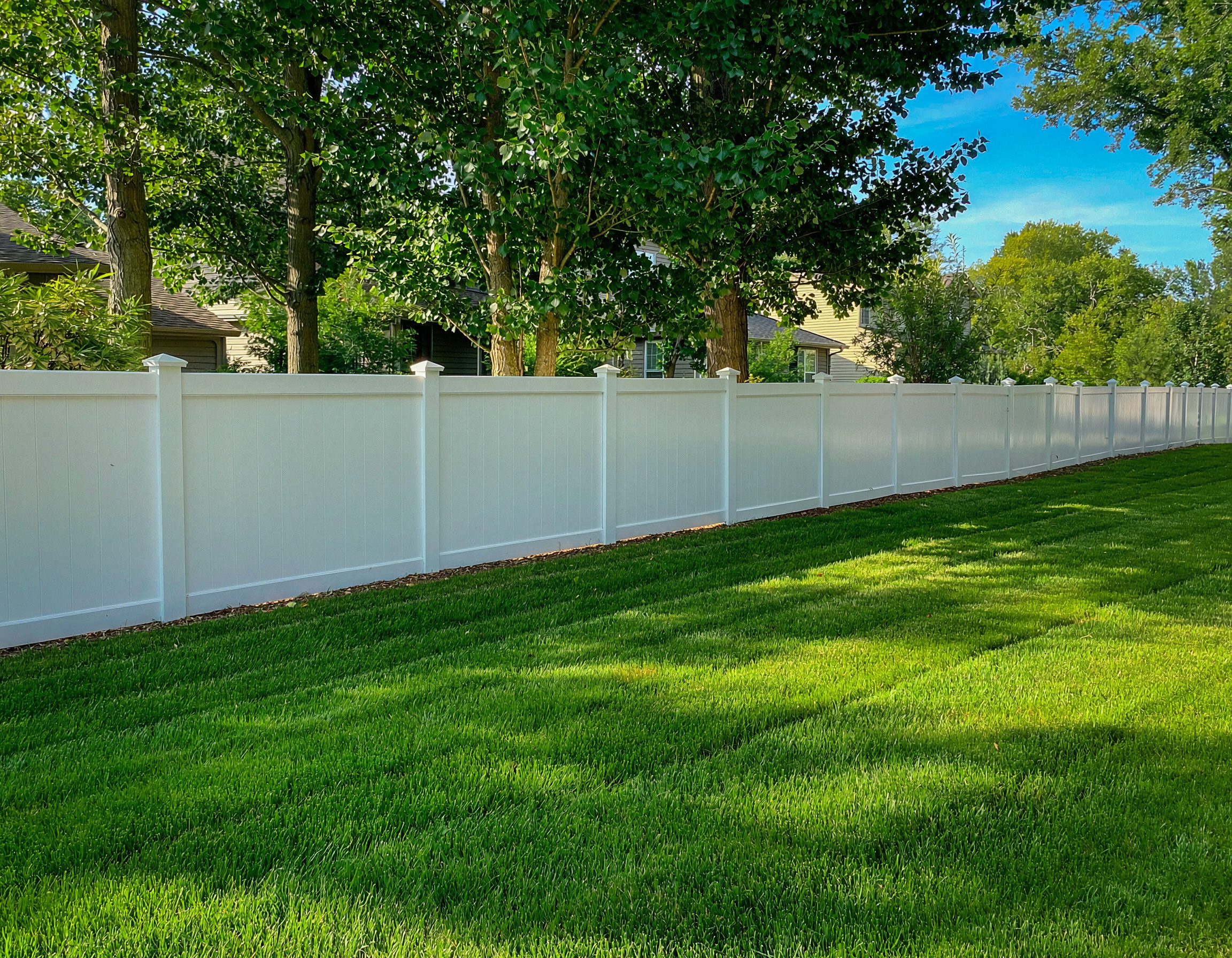
Owning land in East Texas comes with a special kind of freedom. Wide-open spaces, tall pines, rolling pastures, and room to breathe are a big part of why so many people choose rural living. But more land also brings bigger decisions when it comes to fencing. Where should the fence go? How much of the property needs to be fenced? What style fits the landscape?
Fencing a rural or acreage property is different from fencing a typical suburban backyard. The goals, distances, terrain, and gate needs all change. Here are fencing ideas for rural and acreage properties in East Texas, along with planning tips to help you build a fence that is practical, attractive, and built for country living.
Why Rural Properties Need a Different Fencing Approach
Rural and acreage properties come with unique fencing needs:
- Longer distances that make cost and planning more important
- Varied terrain with slopes, trees, creeks, and low areas
- Vehicle and equipment access that requires wider gates
- Pets that roam across larger spaces
- Wildlife that may wander into gardens and yards
- Privacy needs near roads or neighboring properties
Instead of fencing every inch of land, many rural homeowners focus on fencing the areas that matter most.
Common Fencing Goals for Acreage Properties
Before choosing a design, think about what you want your fence to do:
- Define the property and boundaries
- Create a private yard around the home
- Keep dogs safely contained
- Protect gardens from wildlife
- Add curb appeal along the road
- Secure equipment and outbuildings
- Create a welcoming entrance
Most properties have more than one goal, and different areas may need different types of fencing.
14 Fencing Ideas for Rural and Acreage Properties
1. The Ranch-Style Fence Along the Road
A ranch-style board fence along the front of your property creates a classic country look. It defines the property line, adds curb appeal, and fits naturally with the East Texas landscape.
2. A Grand Entry Gate
A wide drive-through gate at the entrance to your property makes a strong first impression. It also provides easy access for vehicles, trailers, and equipment.
3. A Framed Entrance With a Header
Adding tall posts and a header beam above your entry gate creates a framed entrance that feels like the gateway to your home. It adds character and a sense of arrival.
4. A Private Yard Around the Home
Many rural homeowners fence a private area around the house instead of the entire property. A privacy fence around the backyard creates a secluded space for relaxing, entertaining, and letting kids and pets play.
5. A Dedicated Dog Yard
Dogs on rural properties may want to roam. A fenced dog yard or run near the house gives them space to play while keeping them safe from roads, wildlife, and wandering too far.
6. A Garden Enclosure
Deer, rabbits, and other wildlife can make quick work of a garden. A fence around your vegetable garden or flower beds helps protect your plants. Taller fencing may be needed to discourage deer.
7. Fencing Around a Pool Area
If your property has a pool, fencing around it adds safety and privacy. Check local rules for pool barrier requirements, which may include specific gate and latch standards.
8. Privacy Fencing Near the Road
If your home sits close to a road, privacy fencing along that side can block views, reduce distractions, and create a more peaceful yard.
9. Fencing Around Outbuildings and Equipment
Fencing around barns, workshops, or equipment storage areas helps keep tools and equipment secure and organized.
10. Decorative Front, Functional Elsewhere
Use a decorative fence style along the road and near the house where it will be seen most, and simpler fencing in less visible areas. This approach balances curb appeal and budget.
11. Fencing That Follows the Landscape
On rolling or wooded properties, a fence that follows the natural contours of the land looks more at home than one that fights the terrain.
12. Multiple Gates for Easy Access
Large properties often need more than one gate. Plan gates near driveways, outbuildings, pastures, and the house so you are not making long trips around the fence.
13. A Fenced Entertaining Area
Fence in a patio, deck, or outdoor living space to create a defined, comfortable area for gatherings. Pair it with a custom deck or patio cover for a complete outdoor retreat.
14. Animal and Livestock Areas
If you keep horses, livestock, or other animals, fencing needs can vary widely depending on the type of animal. Some animals require specialized fencing materials and designs. Talk with your fence builder about your specific needs and what options they offer.
Planning Your Rural Fence
Confirm Your Property Lines
On larger properties, boundaries may not be clearly marked. A survey helps you confirm where your property begins and ends before building. This is especially important along roads and neighboring properties.
Study the Terrain
Walk the planned fence line and look for slopes, trees, creeks, ditches, rocky areas, and low spots that hold water. These features affect where and how the fence can be built.
Plan for Drainage
Standing water near fence posts can speed up rot and weaken the fence over time. Plan the fence line around low areas when possible.
Plan Gate Locations Carefully
On acreage, gate placement matters even more. Think about:
- Where vehicles and trailers enter
- How you move equipment like mowers and tractors
- Access to barns, sheds, and pastures
- Delivery and service vehicle access
- Emergency vehicle access
Wider gates are often needed for trucks and equipment.
Prioritize Fence Sections
Fencing a large property can be a big project. Many homeowners prioritize the most important areas first, such as the yard around the house or the front of the property, and add more fencing over time.
Consider Storms and Wind
Open land can be exposed to strong winds during East Texas storms. Proper post installation is important for fences that need to stand up to the weather.
Check Local Rules
Even in rural areas, there may be rules about fences along roads, easements, or property lines. Check with your county or local authorities before building.
Call 811 Before Digging
Underground utilities may run across rural properties. Calling 811 before digging helps avoid damaging buried lines.
Maintaining Long Fence Lines
Longer fences mean more to maintain. Keep your rural fence in good condition by:
- Walking the fence line periodically to check for damage
- Inspecting after storms for fallen trees or branches
- Clearing brush and vines that grow along the fence
- Repairing damaged boards and posts promptly
- Protecting the wood with regular staining and sealing
Common Rural Fencing Mistakes to Avoid
- Not confirming property lines before building
- Making gates too narrow for vehicles and equipment
- Ignoring terrain and drainage
- Trying to fence everything at once without a plan
- Forgetting about maintenance on long fence runs
- Choosing a style that does not fit the landscape
Build Your Rural Fence With Rise Decks & Fence
At Rise Decks & Fence, we build durable fences designed to define your property, protect your yard, and give your home the finished look it deserves. We understand the unique needs of East Texas properties, from long fence lines and sloped terrain to wide gates and private yards around the home. Our installation process includes laying out corner posts, setting posts, and installing runners for a strong, straight fence.
Our fence services include custom fence installation, fence replacement with removal and haul-away, privacy and security fencing, and custom gates and finishing details. We also offer staining and sealing to help protect your fence for years.
We serve homeowners in Tyler and surrounding communities, including Chandler, Brownsboro, Murchison, Athens, Canton, Van, and Palestine. Visit our FAQ page for more answers.
Rural Fencing FAQs
Do I need to fence my entire acreage property?
Not necessarily. Many rural homeowners fence the areas that matter most, such as the yard around the house, the front of the property, or garden areas.
How wide should a gate be on a rural property?
It depends on what needs to pass through. Drive-through gates for trucks, trailers, and equipment need to be much wider than walk-through gates.
What fence style works best for rural properties?
Ranch-style fences are popular along roads and entrances, while privacy fences work well around the home.
Do I need a survey before fencing my land?
A survey is highly recommended, especially on larger properties where boundaries may not be clearly marked.
Can a fence keep deer out of my garden?
A fence can help protect a garden, though deer can jump, so taller fencing may be needed.


