




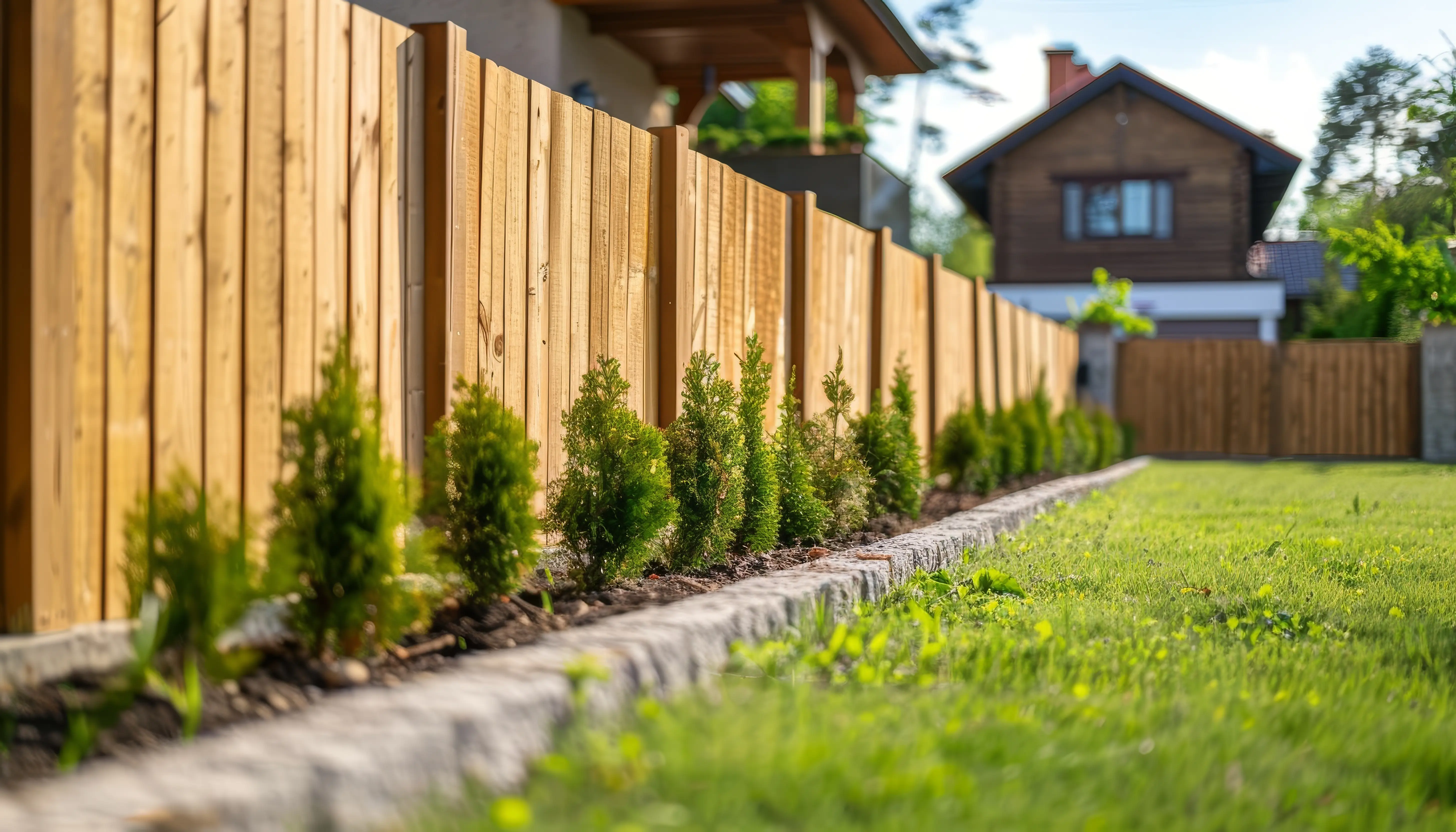
Moving into a brand-new home is exciting. Everything is fresh, from the floors to the paint to the yard. But many new homeowners quickly realize something is missing: a fence. Some new homes come without one, others have only a partial fence, and many homeowners want more privacy than the builder provided.
Adding a fence to a new construction home comes with a few unique considerations, especially in new subdivisions. HOA rules, property lines, drainage, and timing all play a role. Here is what new homeowners should know before fencing a new construction home in East Texas.
Why New Homes Often Need Fences
- Many new homes come without a fence or with only a partial fence.
- Lots in new subdivisions are often close together, so privacy matters.
- Pets and kids need a safe, enclosed yard.
- Homeowners want to define their property and outdoor space.
Step 1: Review HOA Requirements
Many new subdivisions have homeowners associations with rules about fences. Before you build, check:
- Approval requirements: Many HOAs require you to submit plans before building.
- Allowed fence styles and materials
- Height limits
- Approved stain colors
- Which side faces out
- Setbacks from sidewalks and property lines
- Fence placement on corner lots
Getting approval before building helps you avoid fines or having to change the fence later.
Step 2: Confirm Your Property Lines
Your closing documents may include a survey or plat showing your property lines. In new construction, property pins can sometimes be buried or disturbed during grading and landscaping. Confirm your boundaries before building, and consider having a surveyor mark them if you are unsure.
Step 3: Know Your Easements
New subdivisions often include utility and drainage easements. These may affect where you can build a fence. Check your plat for easements before planning your fence layout.
Step 4: Respect Drainage Swales
Many new subdivisions are graded with drainage swales, which are shallow channels that direct water between and behind lots. Fences should not block these swales or the flow of water. Blocking drainage can cause flooding in your yard or your neighbors’ yards.
Step 5: Understand That New Yards Settle
Soil in new construction yards may still be settling after grading and landscaping. A fence builder familiar with new construction can account for these conditions.
Step 6: Be Careful With Grading Changes
Changing the grading of a new yard can affect drainage. Some builders provide warranties related to drainage, so check with your builder before making changes that could affect the yard’s grade.
Step 7: Mark Utilities
New homes often have underground utility lines that may be relatively shallow. Call 811 before digging so utilities can be marked.
Step 8: Coordinate With Neighbors
In new subdivisions, neighbors may be building fences at the same time. Talking with neighbors can help you:
- Coordinate fence styles and heights
- Discuss shared fences along property lines
- Avoid duplicate fences or gaps
- Share costs on shared sections, if agreed upon
Step 9: Match Existing Fences
If your builder installed part of a fence or neighbors already have fences, matching the style and height creates a cohesive look and may be required by your HOA.
Step 10: Plan Your Gates
Think about how you will use your yard:
- Mower access through a gate wide enough for your equipment
- Trash bin access to the street or alley
- Side yard gates for daily use
- Locks for security
Step 11: Plan Timing
The best time to add a fence depends on your situation. Some homeowners build right after moving in for pets and privacy. Others wait until landscaping is complete. Keep in mind that HOA approval may take time, so start the process early.
Step 12: Plan for Staining
New fence wood may need time to dry before the first coat of stain. Your fence builder can recommend the right timing. Staining helps protect your new fence from East Texas sun and moisture. Learn more about our staining and sealing services.
Fence Ideas for New Construction Homes
- Privacy fences for close subdivision lots
- Board-on-board fences for gap-free privacy
- Shadowbox fences for shared property lines
- Cap and trim for a finished look
- Matching gates for a cohesive design
Adding More to Your New Backyard
A fence is often the first step in creating your outdoor living space. Many new homeowners also add a custom deck, a patio cover or pergola, or both to make their new backyard feel complete.
Common Mistakes
- Building without HOA approval
- Not confirming property lines
- Blocking drainage swales
- Ignoring easements
- Not calling 811 before digging
- Making gates too narrow for mowers
Fence Your New Home With Rise Decks & Fence
At Rise Decks & Fence, we build durable fences designed to define your property, protect your yard, and give your home the finished look it deserves. We help new homeowners plan fences that fit HOA requirements, property lines, and drainage needs. Our fence services include custom fence installation, privacy and security fencing, and custom gates and finishing details.
We serve Tyler and surrounding communities, including Lindale, Bullard, Flint, Canton, and Jacksonville. Learn more on our About page or visit our FAQ page.
New Construction Fence FAQs
Do I need HOA approval for a fence?
Many subdivisions require HOA approval before building a fence. Check your HOA guidelines.
How do I find my property lines in a new subdivision?
Check your survey or plat from closing, and consider having a surveyor mark your boundaries.
Can I build a fence over a drainage swale?
Fences should not block drainage swales or water flow. Check your plat and HOA rules.
When should I build a fence on a new home?
It depends on your needs and timeline. Start the HOA approval process early.
Can I share a fence with my neighbor?
Yes, if you both agree. Talk with your neighbor about style, placement, and costs.


