



Most decks have boards running in straight lines, side by side, from one end to the other. It is a classic look, and it works. But if you want your deck to feel truly custom, the pattern of the deck boards is one of the most eye-catching places to start.
Changing the direction and layout of deck boards can make a deck look more upscale, define different areas, and even change how big the space feels. Here are deck board pattern ideas that add custom style, along with what to consider before choosing a pattern.
Why Deck Board Patterns Matter
- Visual interest: Patterns turn a plain surface into a design feature.
- Defined spaces: Different patterns can separate dining and lounging zones.
- A custom look: Patterns make your deck stand out.
- Clean edges: Borders give the deck a finished outline.
- A sense of space: Board direction can affect how large a deck feels.
12 Deck Board Pattern Ideas
1. Standard Straight Layout
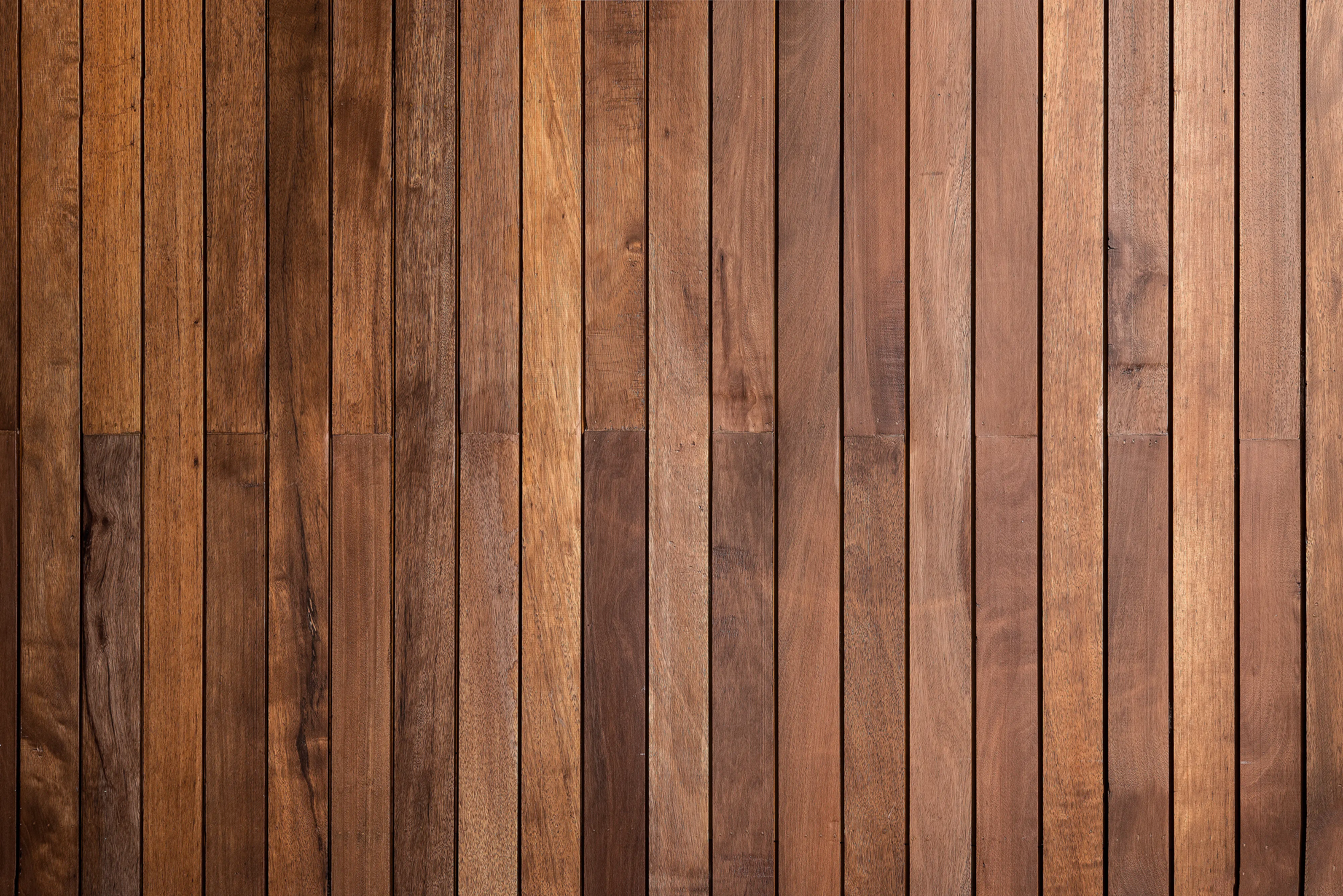
Boards run parallel or perpendicular to the house. It is simple, efficient, and timeless.
2. Perpendicular to the House
Boards running away from the house can draw the eye outward toward the yard, making the deck feel longer.
3. Diagonal Layout
Boards installed at an angle create movement and visual interest. Diagonal decking feels more dynamic than a straight layout.
4. Picture-Frame Border
A border of boards around the edge of the deck frames the surface and hides the cut ends of the field boards. It gives the deck a clean, high-end finish.
5. Double Border
Two rows of border boards create an even bolder frame.
6. Breaker Board
On long decks, a single board running perpendicular across the deck can break up long runs. This creates a clean seam instead of scattered joints.
7. Herringbone Pattern
Boards set in a zigzag pattern create a striking, sophisticated look. Herringbone is one of the most eye-catching deck patterns.
8. Chevron Pattern
Similar to herringbone, chevron boards meet at a point to form a continuous V shape.
9. Basket Weave or Parquet
Small groups of boards alternate directions to create a woven, checkerboard effect.
10. Inlays and Medallions
A decorative inlay or medallion in the center of the deck creates a focal point.
11. Two-Tone Boards
Using different stain colors for borders and field boards highlights the pattern.
12. Zone Patterns
Change board direction in different areas of the deck to define dining, lounging, and cooking zones.
Patterns for Multi-Level Decks
On multi-level decks, changing board direction or adding borders on each level helps define the spaces and adds visual interest to the transitions.
Things to Consider Before Choosing a Pattern
Framing Requirements
Some patterns, like diagonal and herringbone, may require different framing, such as closer joist spacing or extra blocking. Your builder will plan the framing to support the pattern.
More Material and Labor
Complex patterns typically require more cuts, more material, and more labor than a straight layout.
Drainage and Gaps
Consistent gaps between boards are important for drainage, regardless of the pattern.
Maintenance
Patterns with more seams and borders have more edges to clean and stain. Regular staining and sealing helps protect every board.
Deck Size
Bold patterns can look great on larger decks. On small decks, a simple pattern or a picture-frame border may be more effective.
Home Style
- Traditional homes: Picture-frame borders and straight layouts
- Modern homes: Clean straight lines or bold herringbone
- Craftsman homes: Borders and inlays
- Rustic homes: Simple layouts with natural stain
How Board Direction Affects Space
- Boards running away from the house can make a deck feel longer.
- Boards running parallel to the house can make a deck feel wider.
- Diagonal boards can make a space feel more dynamic.
Common Mistakes
- Choosing a complex pattern without planning the framing
- Overwhelming a small deck with a busy pattern
- Ignoring drainage gaps
- Not budgeting for extra material and labor
- Forgetting maintenance on borders and seams
Pair Your Pattern With Other Custom Details
Deck patterns look even better alongside custom railings, built-in benches, lighting, and a patio cover or pergola. Together, these details create a truly one-of-a-kind outdoor space.
Build a Custom Deck With Rise Decks & Fence
At Rise Decks & Fence, we build custom decks designed around your vision, not a template. From framing to decking and finishing details, we focus on the craftsmanship that makes a deck stand out. If you want a custom board pattern, we will help you choose a design that fits your space and plan the framing to support it. We also build fences to complete your backyard.
We serve Tyler and surrounding communities, including Lindale, Bullard, Flint, Palestine, and Gun Barrel City. Learn more on our About page or visit our FAQ page.
Deck Board Pattern FAQs
What is a picture-frame deck border?
It is a border of boards around the edge of the deck that frames the surface and hides the cut ends of the field boards.
Does a diagonal deck cost more?
Diagonal patterns often require more cuts, material, and sometimes different framing, which can increase cost.
What is a breaker board?
A breaker board runs perpendicular across a long deck to break up long board runs and create a clean seam.
Can I use different patterns in different areas?
Yes. Changing board direction can define zones like dining and lounging areas.
Do deck patterns affect drainage?
Consistent gaps between boards are important for drainage in any pattern.


