




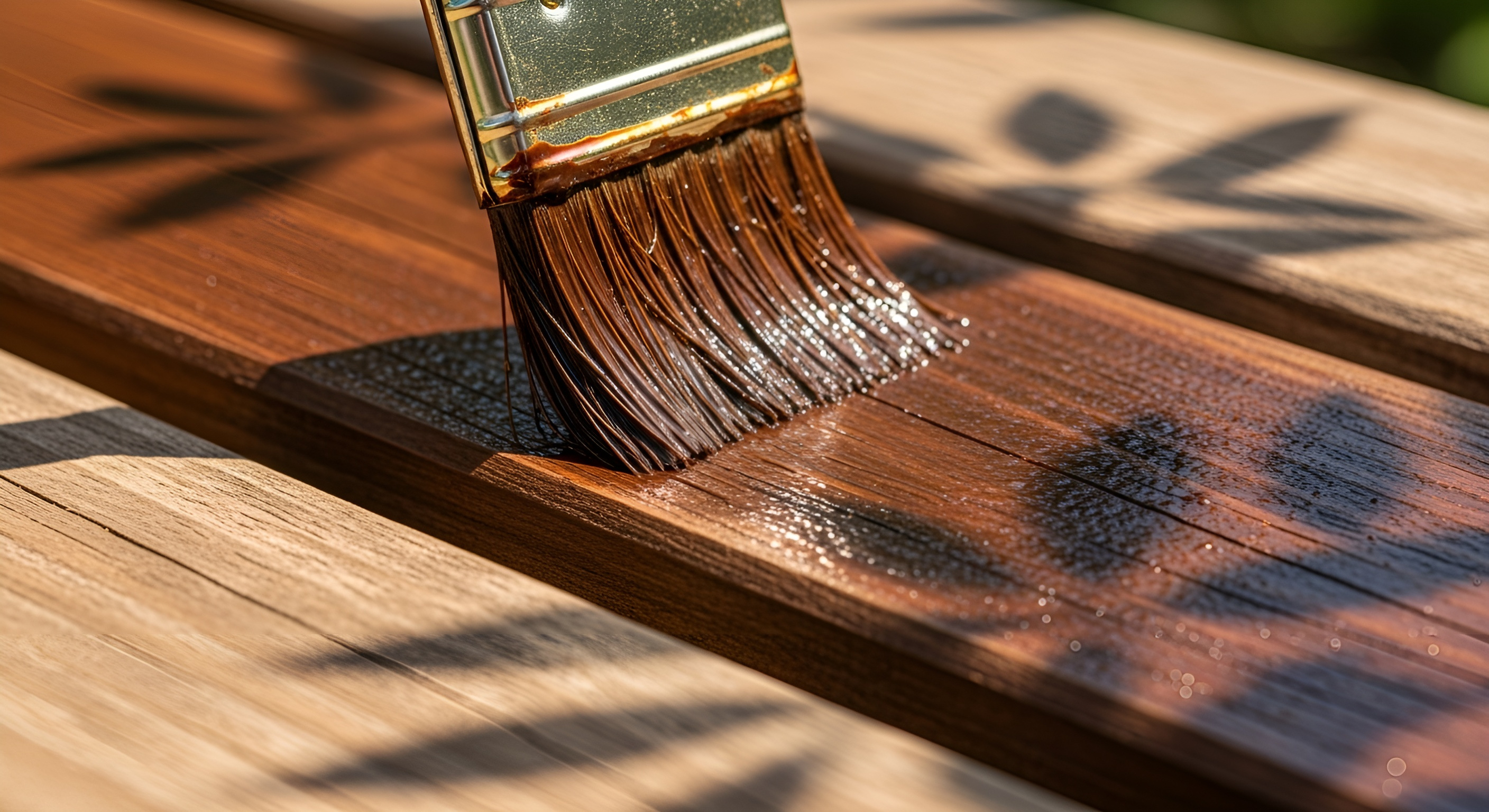
Staining a deck seems simple enough. Pick a color, grab a brush, and get to work. But anyone who has watched a fresh stain turn blotchy, sticky, or start peeling within months knows that deck staining is easy to get wrong. Most of the time, the problem is not the stain itself. It is how and when it was applied.
The good news is that most deck staining mistakes are completely avoidable. Whether you plan to stain your deck yourself or want to understand what a professional should be doing, here are the most common deck staining mistakes homeowners make and how to avoid them.
Why Deck Staining Mistakes Matter
A deck stain is meant to protect your wood from UV rays, rain, and humidity while adding color. When it is applied incorrectly, it can:
- Peel, flake, or wear away early
- Look blotchy or uneven
- Stay sticky or tacky
- Trap moisture in the wood
- Leave lap marks or streaks
- Fail to protect the wood from sun and moisture
In East Texas, where decks face intense sun, heavy rain, and high humidity, a failed finish leaves your deck vulnerable to fading, cracking, mildew, and rot. Avoiding these mistakes helps your stain look better and last longer.
Prep Mistakes
Mistake 1: Skipping the Inspection
Staining over damaged boards, loose fasteners, or rotting wood does not fix the problem. It only covers it up temporarily.
How to avoid it: Walk the entire deck before staining. Check boards, railings, stairs, and fasteners for damage. Look for soft spots and rot. Make repairs before you stain.
Mistake 2: Not Cleaning the Deck
Dirt, pollen, mildew, algae, and grease all prevent stain from bonding properly with the wood. Stain applied over a dirty surface may peel or look uneven.
How to avoid it: Clean the deck thoroughly with a product designed for decks. Pay special attention to shaded areas, high-traffic spots, and around grills.
Mistake 3: Pressure Washing Too Aggressively
Pressure washing can help clean a deck, but too much pressure or holding the nozzle too close can gouge the wood, raise the grain, and leave a fuzzy surface. That damage affects how stain absorbs and looks.
How to avoid it: If you pressure wash, use appropriate pressure and keep the nozzle at a safe distance. If you are unsure, use a gentler cleaning method or hire a professional.
Mistake 4: Not Removing the Old, Failing Finish
Applying new stain over an old finish that is peeling or flaking is one of the most common reasons decks peel again quickly. The new stain bonds to the failing finish, not the wood.
How to avoid it: Remove peeling or flaking finish before restaining. If the old finish has worn away evenly and is not peeling, a thorough cleaning may be enough.
Mistake 5: Not Smoothing Rough Areas
Weathered or pressure-washed wood can feel rough and fuzzy. Staining over raised grain can lead to uneven absorption and a rough finish.
How to avoid it: Smooth rough areas before staining, especially on railings, stair treads, and high-traffic spots. Remove all dust before applying stain.
Mistake 6: Forgetting to Protect Surrounding Areas
Stain can splatter onto siding, windows, doors, and plants. Cleaning products can also affect landscaping.
How to avoid it: Cover nearby plants, siding, and surfaces before cleaning and staining.
Timing and Weather Mistakes
Mistake 7: Staining Damp Wood
Wood needs to be completely dry before you stain it. Staining damp wood traps moisture, leads to poor absorption, and can cause peeling or mildew under the finish. This is a big concern in humid East Texas weather.
How to avoid it: Give the deck plenty of time to dry after cleaning or rain. Sprinkle a little water on the surface. If it soaks in quickly, the wood is likely dry enough to absorb stain.
Mistake 8: Staining in Direct Sun or Extreme Heat
When a deck is baking in direct sun, stain can dry on the surface before it has a chance to soak in. This can cause lap marks, streaks, and uneven color.
How to avoid it: Stain during cooler parts of the day, when the deck is in shade, and follow the product’s recommended temperature range.
Mistake 9: Ignoring the Rain Forecast
Rain shortly after staining can wash away or damage a fresh finish before it has time to dry.
How to avoid it: Check the forecast and plan your staining around a stretch of dry weather. Follow the product label for recommended dry time.
Mistake 10: Staining During Heavy Pollen or Leaf Season
In East Texas, spring brings heavy pine pollen, and fall brings falling leaves and pine straw. Both can stick to wet stain and leave a gritty, uneven finish.
How to avoid it: Time your staining to avoid peak pollen season, and clear leaves and debris right before you begin.
Mistake 11: Starting Too Early in the Morning
Morning dew can leave the deck surface damp, even on a dry day.
How to avoid it: Wait until the dew has fully dried before starting.
Product Mistakes
Mistake 12: Choosing the Wrong Type of Stain
Different stains offer different looks and levels of protection. Choosing a semi-transparent stain to cover mismatched or weathered boards may leave you disappointed, since it will not hide imperfections. Choosing a solid stain for a beautiful new deck may hide the grain you wanted to show off.
How to avoid it: Consider your deck’s condition, sun exposure, and the look you want before choosing a stain.
Mistake 13: Not Testing the Color First
Stain colors can look very different on your actual wood than they do on a sample card or online.
How to avoid it: Test the stain on a small, less visible area first to see how it looks and absorbs.
Mistake 14: Not Stirring the Stain
Pigment can settle at the bottom of the can. If you do not stir it well, the color may be inconsistent across the deck.
How to avoid it: Stir the stain thoroughly before and during use, following the product instructions.
Mistake 15: Mixing Incompatible Products
Applying one type of stain over another without checking compatibility can cause adhesion problems.
How to avoid it: Check the product label and confirm compatibility with any existing finish. When in doubt, consult a professional.
Application Mistakes
Mistake 16: Applying Too Much Stain
More stain does not mean more protection. Thick coats can sit on top of the wood instead of soaking in, leading to sticky surfaces, peeling, and a longer drying time.
How to avoid it: Apply stain according to the product instructions. Work it into the wood and avoid leaving puddles or heavy buildup.
Mistake 17: Creating Lap Marks
Lap marks happen when stain dries in one area before you blend the next section, creating visible lines and uneven color.
How to avoid it: Work a few boards at a time along their full length, and keep a wet edge as you move across the deck.
Mistake 18: Ignoring Board Ends and Edges
The cut ends of boards absorb moisture faster than other areas. Skipping them leaves the wood vulnerable.
How to avoid it: Make sure board ends, edges, and the spaces between boards get coverage.
Mistake 19: Forgetting Railings and Stairs
Railings and stairs face just as much weather as the deck surface, and stairs often get the most wear.
How to avoid it: Include railings, balusters, stair treads, and stringers in your staining project.
After Staining Mistakes
Mistake 20: Using the Deck Too Soon
Walking on the deck or replacing furniture before the stain has dried and cured can leave marks, scuffs, and uneven areas.
How to avoid it: Follow the product’s recommended dry and cure times before allowing foot traffic and replacing furniture.
Mistake 21: Improper Disposal of Stain Rags
Rags soaked with some oil-based stains can pose a fire risk if they are balled up or thrown away improperly.
How to avoid it: Follow the product label’s instructions for safe disposal of rags and materials.
Mistake 22: Waiting Too Long to Restain
Letting a deck go years without fresh protection allows UV and moisture damage to build up, which makes the next staining project harder.
How to avoid it: Watch for signs your deck needs restaining, such as fading, graying, or water soaking in instead of beading up. Many decks need a fresh coat every two to three years.
Special Note: Staining a New Deck Too Soon
New decks often need some time before the first coat of stain, depending on the type of wood and how it was treated. Staining too soon may prevent the stain from absorbing properly. Your builder can recommend the right timing for your new deck.
How to Fix Common Staining Problems
If your deck already shows signs of a staining mistake, there are often ways to fix it:
- Peeling or flaking stain: Remove the failing finish, clean the deck, and restain.
- Sticky or tacky surface: Excess stain may need to be removed before the surface can dry properly.
- Lap marks or blotchy color: Cleaning and restaining may help even out the finish.
- Mildew under the finish: Clean the deck thoroughly and allow it to dry fully before refinishing.
In many cases, professional restoration is the best way to correct staining problems and start fresh.
DIY or Professional Deck Staining?
Staining a deck yourself can save money, but it requires time, patience, and attention to detail. Many of the mistakes above happen because homeowners rush prep, misjudge the weather, or are not familiar with the right application techniques. A professional can help make sure your deck is properly prepared, stained in the right conditions, and finished evenly.
Professional Deck Staining From Rise Decks & Fence
At Rise Decks & Fence, our staining and sealing services include deck staining, wood sealing, deck restoration, and outdoor wood finishing. We take care with every step, from inspection and cleaning to drying and application, so your finish looks great and protects your deck from East Texas sun and moisture.
We also stain fences, pergolas, and patio covers. If your deck needs more than a new finish, we can help with repairs, restoration, or a new custom deck. You can also reduce sun exposure on part of your deck with a patio cover or pergola.
We serve homeowners in Tyler, Lindale, Flint, Canton, Jacksonville, and surrounding East Texas communities. Visit our FAQ page for more answers.
Deck Staining Mistakes FAQs
Why is my deck stain peeling?
Peeling is often caused by staining over a dirty surface, damp wood, or an old failing finish, or by applying too much stain.
Why is my deck stain sticky?
A sticky surface often means too much stain was applied and it did not fully soak into the wood.
Can I stain my deck in direct sunlight?
It is best to avoid direct sun and extreme heat, which can cause stain to dry too quickly and look uneven.
How long should I wait to stain after cleaning my deck?
The wood needs to be completely dry, which can take longer in humid East Texas weather.
Can a bad stain job be fixed?
Often, yes. Removing the failing finish, cleaning the deck, and restaining can correct many problems.


